
Image courtesy of
When it comes to sports, some are a lot harder on the body than others. If you want to reduce your chance of injury and trauma on the joints, then choose low impact activities when you have the opportunity. Low impact sports still offer a good workout for the body, while reducing the pressure on weight-bearing joints. Such sports are good for older people, especially those with arthritis, as well as people recovering from an injury and those looking to reduce the chances of one occurring when being active. Not sure which sports are the best for low-impact activity? Below are some of our favorites to get you started.
Swimming
Since you're floating in the water, you don't have to worry about any unnecessary stress on the joints from doing a few laps in the pool. In fact, this is one of the best low impact sports for athletes who are recovering from a prior injury. It also improves your lung function and strengthens your shoulders.
Golf
There's a good reason that so many retired seniors take up the sport of golf. Walking the course is the primary activity, which almost anyone can do. And the biggest risk of injury comes from swinging the golf clubs. If you take up this sport, then remember to get yourself a cart for your golf bag so you don't have to worry about any back pain from carrying around a heavy set of clubs from hole to hole.
Cycling
Whether you prefer to ride a bike on the pavement or stay indoors on an exercise bike, this is another sport that doesn't put much stress on the body. By riding on trails outside, you get additional health benefits from nature like stress reduction and greater feelings of happiness.
Hiking
While walking itself is a great low impact activity, taking up hiking gives you a bit of a better workout and requires you to get deep in nature (and soak up all those extra health benefits being outdoors provides). Before you hit the trail, just make sure that you're not carrying a hiking daypack that is too heavy of a load. Otherwise, you'll end up causing unnecessary stress on your joints while out on your trek.
Bowling
While you might not think of bowling when you're coming up with a list of traditional sports, this activity is actually a good low impact activity that you can do alone or with a team. Though you don't have to worry about stress on your joints when you go bowling, you should be cautious of using a bowling ball that is too heavy for you. Otherwise, you might end up injuring your shoulder by accident.
Kayaking
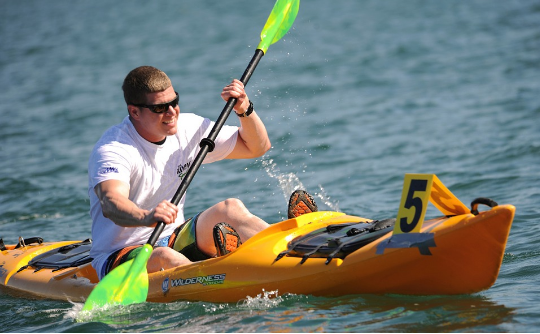
Since all of your activity is done while sitting, kayaking (and also canoeing) is a great outdoor sports option for people seeking out low impact activities. All of the movements for this activity require your arms, shoulders and back, so you will want to avoid it if you're recovering from a back injury. And if you don't want to go out alone, get a tandem kayak so you can take a friend.
Didn't find a sport that appeals to you in this list? Fortunately, there are plenty of other options out there. You can get more ideas from this list at the Huffington Post.
Additional Tips to Prevent Sports Injuries
Playing sports offers an array of brilliant mental and physical health benefits, but it does carry a risk of injury. In addition to choosing the right activity based on your health status, preferences, and exercise goals, it’s wise to follow these steps:
Make sure you have the right gear
If you’re playing sports, it’s essential to make sure you have the right equipment, footwear, and clothing. Choose products that fit comfortably and cater to the demands of the activity in question. If you’re hiking, climbing, or trail-running, for example, you’ll need sturdy shoes that can deal with unpredictable terrain. If you’re playing soccer, look for innovative grip socks like those from Zero Give and well-fitted boots. Check your equipment before you play, and prioritize comfort. If your clothes are too tight or your shoes are too loose, you won’t perform to the best of your ability, and the risk of injuries will increase.
2. Warm up and cool down
It’s natural to focus on the main event when you’ve got a match, or you’re looking forward to a workout or class, but you should always take the time to warm up and cool down properly. Before you begin, exercise gently and stretch your body to increase your heart rate and prepare your muscles. After the game, stretch every muscle and gradually wind down with a gentle jog to slow your heart rate. If you don’t go through these phases, you run the risk of common injuries, such as pulled muscles and tears. You may also find that you feel dizzy.
By Shawna Newman
Shawna is the content editor at Where's My Caddie (http://www.wheresmycaddie.com/), and when she's not writing about outdoor sports she's in search of a good cup of coffee.