

Image Credit: Unsplash
Your phone may be the first thing you reach for in the morning and the last thing you see at night. Notifications, messages, headlines, and endless scrolling can fill every quiet moment, leaving you mentally drained before the day is even over.
The good news is that you don't have to abandon technology or disappear for a week to feel calmer. A few intentional changes to how you use your devices, protect your attention, and create moments of quiet can help reduce digital overload and restore a greater sense of balance. The goal isn't to escape modern life, but to regain control of your time, attention, and peace.
Navigating Constant Information Flow
Our brains aren't built to process the sheer volume of information we encounter daily. Every news alert, email notification, and social media update adds a small cognitive load. Over time, these tiny demands accumulate, leading to what psychologists call information overload. This state can make it harder to make decisions, increase stress, and diminish our ability to focus on what truly matters. It's that feeling of being busy all day but accomplishing very little, or ending the day exhausted without knowing exactly why.
Recognizing the symptoms is the first step. Do you feel a compulsive need to check your phone? Do you find it difficult to sit through a meal or a conversation without glancing at a screen? These are common signs that the constant information flow is taking a toll. According to some psychiatric health professionals, this hyper-connectivity can contribute to anxiety and a feeling of being constantly on edge. The solution isn't to disconnect entirely but to become a more conscious gatekeeper of your attention. This means understanding that not all information is urgent or important and permitting yourself to filter the noise.
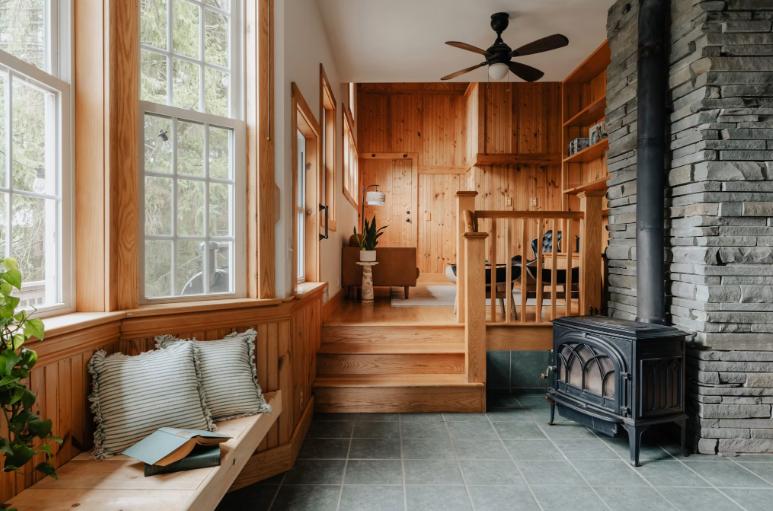
Image Credit: Unsplash
Strategies for Digital Detox
A digital detox doesn't mean abandoning technology for a month. Instead, think of it as setting healthy boundaries. The goal is to shift from reacting to your devices to being proactive about how and when you use them. There are many effective digital detox strategies you can implement immediately to create more mental space.
Start by curating your notifications. Go into your phone’s settings and turn off alerts for everything that isn't time-sensitive or from a real person. Do you really need to know instantly that someone liked your photo or that a store is having a sale? Probably not. This one change can dramatically reduce how often your attention gets pulled away from the present moment.
Another powerful strategy is to establish "no-phone zones" or times.
The Dinner Table: Make meals a screen-free time for connecting with family or simply enjoying your food without distraction.
The Bedroom: Charge your phone in another room overnight. This prevents late-night scrolling and the temptation to check it first thing in the morning. Use an old-fashioned alarm clock instead.
The First and Last Hour: Commit to not looking at your phone for the first hour after you wake up and the last hour before you go to sleep. Use this time for reading, journaling, stretching, or talking with a partner.
Creating Your Personal Oasis
Finding calm requires a space, physical or temporal, that signals to your brain it's time to relax. This "personal oasis" is a sanctuary free from the demands of work, chores, and digital noise. It doesn’t have to be an entire room; it can be as simple as a comfortable chair in a quiet corner, a spot on your balcony, or even a specific time of day set aside just for you. The key is to associate this space or time with intentional relaxation, creating a powerful psychological cue for unwinding.
To make this space effective, fill it with things that bring you a sense of peace. This could be a soft blanket, a favorite plant, or a collection of books. The most important part of your oasis is the ritual you perform there. A ritual is a sequence of actions you do consistently to mark a transition from busyness to calm. It can be brewing a specific type of herbal tea, lighting a candle with a soothing scent, or listening to a calming playlist.
This ritual is deeply personal. It might be a few minutes of meditation, journaling about your day, or, for some, it's the simple act to buy Backwoods for a quiet moment of reflection on the porch. The specific action matters less than the intention behind it. By repeating this ritual in your personal oasis, you train your mind and body to release tension and enter a state of rest on command.
The Power of Small Escapes
You don't need to wait for a vacation or even the weekend to find relief from stress. Integrating "small escapes" or micro-breaks into your daily routine can have a profound impact on your overall well-being. These are brief, intentional moments of disengagement from whatever you are doing. They act as reset buttons for your brain, helping to prevent burnout and improve focus when you return to your tasks. The idea is to find simple ways to find calm that fit seamlessly into your existing schedule.
A small escape can be as short as one to five minutes. The only rule is that it must be a deliberate shift in your attention away from work or stress. For example, you could step away from your desk and look out a window, focusing on a tree or the clouds for a few minutes. Another powerful tool is a 3-minute mindfulness practice where you simply close your eyes and pay attention to your breath.
Here are a few other ideas for small escapes:
A Sensory Break: Step outside and notice five things you can see, four things you can feel, three things you can hear, two things you can smell, and one thing you can taste. This grounds you in the present.
A Movement Break: Do a few simple stretches at your desk or take a quick walk around the block. Changing your physical state can change your mental state.
A Music Break: Put on headphones and listen to one song you love, without doing anything else. Let yourself get lost in the music.
By sprinkling these small escapes throughout your day, you break the cycle of continuous stress and give your nervous system a chance to recover.
Mindful Consumption in a Loud World
Mindfulness extends beyond meditation to how you consume media and manage relationships. Choose trusted news sources, limit checking times, and mute or unfollow accounts that create unnecessary stress. The same applies to your social life: set boundaries around interactions that drain your energy. Finding calm isn't just about adding relaxing habits; it's also about removing what disrupts your peace. Start with one small change and build from there.