
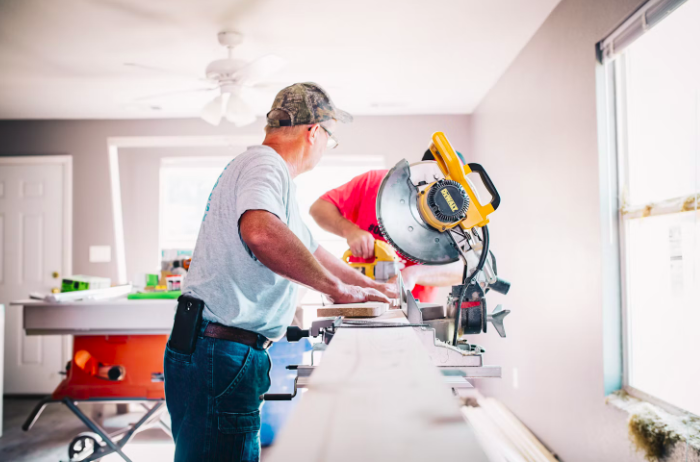
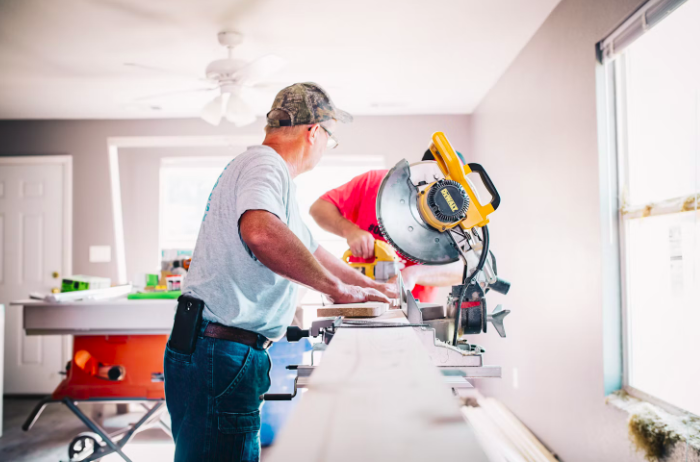
Image credit: Unsplash
A home renovation sounds like a dream: a fresh start, a space made just for you. But getting there can often feel like walking through a minefield of unexpected costs. Many homeowners jump in with excitement, only to find themselves swamped by surprise expenses, delays, and even shoddy work. Good news, though! Most of these expensive headaches are totally avoidable. If you take the time to plan things out and make smart choices right from the start, your project can stay on track and on budget. That way, your vision becomes reality without all the drama. This guide will walk you through the key steps to dodge the most common and costly renovation blunders.
Don't Underestimate the Power of a Plan
The biggest, most expensive mistake you can make? Starting a home renovation without a detailed plan is a common mistake. Just winging it might sound fun, but trust us, it's a recipe for disaster. Before you even think about picking out paint colors or tiles, sit down and really nail down what your project involves. What are your absolute must-haves? What would be nice to have? Be super specific. "Redo the kitchen" isn't a plan; it's a wish. A plan sounds more like: "Replace lower cabinets, install quartz countertops, add a new tile backsplash, and update the lighting fixtures."
Once you know your goals, you can start thinking about the timeline and how the work will flow. For instance, you can't put down new flooring until all the dusty demolition is done. Creating a logical order of events helps both you and your contractor stay organized and avoids expensive do-overs. This early planning stage is also the perfect time to gather inspiration from magazines and websites. This helps create a clear visual guide for what you want. The clearer your vision is from the beginning, the less chance there is for misunderstandings and costly changes later on.
Choosing the Right People for the Job
Your renovation will only be as good as the folks doing the work. It's super tempting to just hire the cheapest contractor or that friend-of-a-friend who does odd jobs. But honestly, that's one of the riskiest moves you can make. An unvetted or uninsured contractor can leave you with crummy work, unfinished projects, and no way to get your money back if something goes wrong. You could end up paying twice: once for the bad job, and again for a pro to come in and fix it.
Instead of rolling the dice, it's much safer to work with professionals who've been thoroughly checked out and stand by their work. Using a trusted service to find certified local contractors takes away the guesswork. It connects you with pre-screened companies that have a solid history of quality and reliability. These services often give you an extra layer of protection, like a guarantee on the work, which acts as a safety net if disputes pop up. Spending a little extra time to find a qualified, reputable team is truly the best way to protect your home and your wallet. Always, always check for licenses, insurance, and references before signing any contract.
Get Everything in Writing, Seriously
A verbal agreement or a handshake just isn't a contract. One of the most common home remodeling mistakes is not getting a detailed, written contract before any work even starts. This document is your main protection and should spell out every single part of the project. A vague contract leaves too much open to interpretation, usually in the contractor's favor. Your contract needs to be a thorough document that leaves no room for doubt.
At the very least, your contract should include:
A detailed list of all tasks to be completed.
A full list of materials, including brand names, model numbers, and colors.
A clear payment schedule that links payments to project milestones, not just random dates.
Start and estimated completion dates.
Proof of the contractor’s liability insurance and workers' compensation.
A process for handling changes (called "change orders"), which should always be in writing and signed by both you and the contractor.
Never make that final payment until you've inspected the work and are completely happy that everything in the contract has been finished.
Create a Budget That Breathes
When you're planning your renovation budget, the number you come up with for labor and materials is just the beginning. Life happens, and with renovations, surprises are almost guaranteed. You might open up a wall and find unexpected plumbing issues, or discover that the subfloor is damaged. Without some extra cash set aside, these discoveries can totally derail your project or force you to make compromises you'll regret later.
That's why every renovation budget needs a contingency fund. This is an extra chunk of money, usually 15-20% of your total project cost, put aside specifically for those unforeseen expenses. For a $50,000 kitchen remodel, that means having an extra $7,500 to $10,000 ready. If you don't end up needing it, fantastic! You can put it toward an upgrade or just save it. But if you *do* need it, you'll be incredibly relieved it's there. This fund stops you from having to halt the project, take on high-interest debt, or cut corners on important finishes just to get the job done.
Don't Ignore the Paperwork
In the excitement of starting a project, it's easy to overlook the bureaucratic but super important step of getting the right building permits. Many homeowners just assume permits are the city's way of making money, but they actually serve a crucial purpose: making sure the work on your home is safe and up to code. Big jobs involving structural changes, electrical wiring, or plumbing almost always need a permit.
Skipping this step is a huge financial risk. If the city finds out you're doing unpermitted work, they can issue a stop-work order and hit you with heavy fines. You might even be forced to tear out completed work so an inspector can see what's behind the walls. Plus, unpermitted work can cause major headaches when you try to sell your home down the road. It's essential to work with your contractor to figure out which permits are needed and make sure they're secured before any work begins. Taking the time to handle the paperwork correctly will help you avoid costly errors in your remodel and protect your home's long-term value.
A well-done renovation can bring years of enjoyment and boost your property's value. By planning carefully, hiring the right team, and expecting the unexpected, you can navigate the process smoothly. With the right preparation, you're not just avoiding mistakes; you're making a smart investment in your home's future.