
Image Credit: Unsplash
The cities we live in aren't just concrete and steel anymore; they're becoming dynamic, data-driven places. This shift is happening thanks to Artificial Intelligence (AI) and drone technology, which together are tackling urban problems in ways that were once science fiction. From managing traffic to protecting old buildings, these tools are making our cities smarter, more efficient, and better places to live for everyone.
Smart City Foundations
A "smart city" uses technology to make life better for its residents. This really means collecting data and using it to make smarter choices. AI and drones are key to this. Think about traffic lights that change their timing in real-time based on how many cars are actually there, instead of a fixed schedule.
Or sanitation departments receiving alerts from smart bins when they're full, so they can plan collection routes more efficiently and save fuel. AI algorithms analyze data from countless sensors across the city, while drones can collect data in places that are hard or dangerous to reach.
Advanced Aerial Monitoring
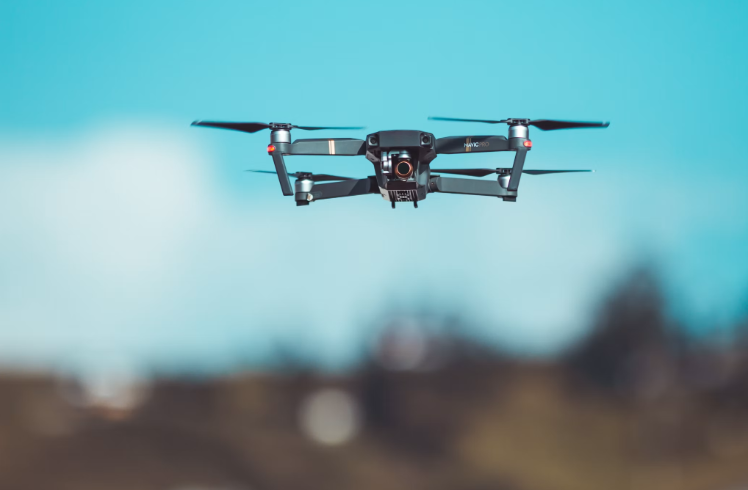
Keeping a city's extensive infrastructure in good shape has always been a massive undertaking, often involving risky and expensive manual inspections. Drones have completely changed this. These unmanned aircraft can quickly and safely inspect bridges, rooftops, power lines, and railways, taking high-quality pictures and thermal data. This information helps maintenance teams spot potential problems, such as cracks in concrete or failing electrical components, long before they become major issues.
Specialized companies now offer professional aerial inspection services, giving city managers and property owners a detailed view of their assets from above, without putting workers in danger. This proactive approach saves money and, more importantly, makes public spaces safer, demonstrating how drones are transforming urban planning in tangible ways.
Data for Better Planning
Drones are the eyes in the sky, but AI is the brain that understands what they see. City planners now use AI to analyze huge amounts of data to guide future development. For example, by studying traffic patterns, population density, and public transport usage, AI can help identify the best locations for new schools, parks, or subway lines.
This data-driven method moves city planning away from guesswork and towards fact-based decisions. Insights from AI in urban planning help create cities that better meet the actual needs of their communities. This can mean shorter commutes, more accessible green spaces, and a fairer distribution of public resources.
Preserving Heritage Sites
A city's history often defines its character, especially through its old buildings and monuments. Protecting these structures from decay is a constant challenge for preservationists. Drones with high-definition cameras and LiDAR scanners can create detailed 3D models of historic sites. By comparing scans over time, AI can detect changes such as erosion, water damage, or structural issues that may be hard to see. This helps conservation teams make repairs before the damage gets worse, protecting these sites for future generations.
As more urban systems rely on connected technology, IT security becomes important for keeping data and systems safe. Using technology effectively can help create cities that are safer and easier to manage.