
Image Credit: Pexels

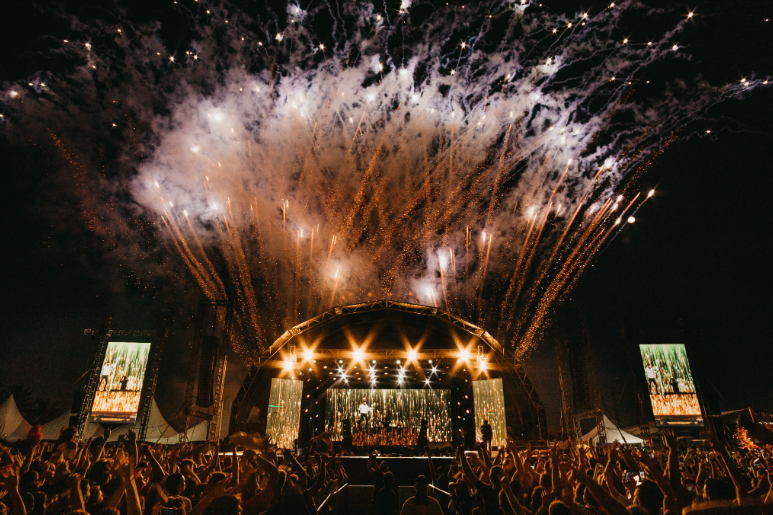
Ever walked into a music festival and felt like you've stepped into another world? It's a deliberate effect, a kind of magic crafted from steel, wood, fabric, and light. Creating that perfect festival environment is an art form that blends wild creativity with serious engineering. It's about building a temporary city that's not just spectacular to look at, but also functional, safe, and memorable for everyone who attends.
Designing Immersive Experiences
A truly great festival environment is a feast for your senses. It’s not just about what you see, but what you feel. Organisers achieve this by creating a cohesive theme that runs through everything, from the grand entranceway to the design of the rubbish bins. Lighting plays a massive role, transforming a field into an enchanted forest or a futuristic city after sundown. Soundscapes are also carefully curated, with ambient music in chill-out zones and booming bass at the main stage. The most memorable festivals feature immersive installations that invite you to play, explore, and become part of the art itself.
The Art of Temporary Architecture
Festivals are masters of temporary architecture. They create entire villages that pop up for a weekend and vanish without a trace. These structures are more than just functional; they are part of the aesthetic. Think sprawling shade structures made from colourful sails, bamboo chill-out domes, and towering art pieces that double as landmarks. These temporary creations can have a lasting impact, showing how even short-term projects can transform a space. In many ways, these events demonstrate how architecture festivals can revitalise public areas and inspire new ways of thinking about urban design. It’s about building a sense of place, even if that place only exists for a few days.
Building Stages and Structures Safely
Behind every breathtaking stage and towering art installation is a huge amount of planning and engineering focused on one thing: safety. Building these massive structures requires precision, expertise, and an unwavering commitment to structural integrity. Engineers have to calculate wind loads, make sure the ground is stable enough to support immense weight, and design everything to handle thousands of dancing people. This is where the unseen skeleton of the festival comes into play. Professional scaffolding provides the essential framework for stages, lighting rigs, speaker towers, and elevated viewing platforms. For many festival structures, this solid, expertly erected framework is an essential part of bringing the design to life safely. Every bolt, beam, and brace is checked and double-checked to ensure the environment is as safe as it is spectacular.
Beyond the Main Stage: Accessibility
A truly well-designed festival is one that everyone can enjoy. Accessibility goes far beyond simply providing a ramp. It’s about thoughtfully designing the entire site to be inclusive. This means creating clear, wide pathways that can be navigated by wheelchairs or mobility scooters, even on uneven ground. It involves designated viewing platforms at main stages so that everyone has a good line of sight. It also includes providing quiet zones for people who might need a break from the sensory overload, as well as clear and abundant signage to help all attendees navigate the site with ease. Thinking about accessibility from the very beginning of the planning process ensures a more welcoming and enjoyable experience for all.
Sustainability in Event Construction
As festivals have grown in scale, so has the awareness of their environmental footprint. Modern event construction is increasingly focused on sustainability. This involves a commitment to the "leave no trace" principle, making sure the site is returned to its original state. Organisers are now prioritising the use of recycled, upcycled, or sustainably sourced materials for building structures and installations. There is also a growing focus on using temporary structures and reusable materials that can be adapted for different events, reducing waste and extending the useful life of event infrastructure. Waste management is another important component, with recycling, composting, and waste-reduction programs increasingly being incorporated into events across Australia.
Ultimately, the most incredible festival environments are those that transport you somewhere else entirely. They are a testament to what can be achieved when imagination is supported by brilliant and responsible execution, creating moments that stay with you long after the final song has played.