
Image credit: Unsplash
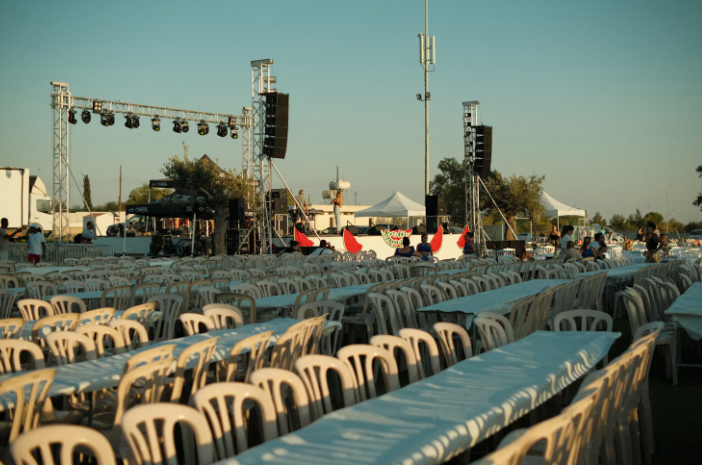
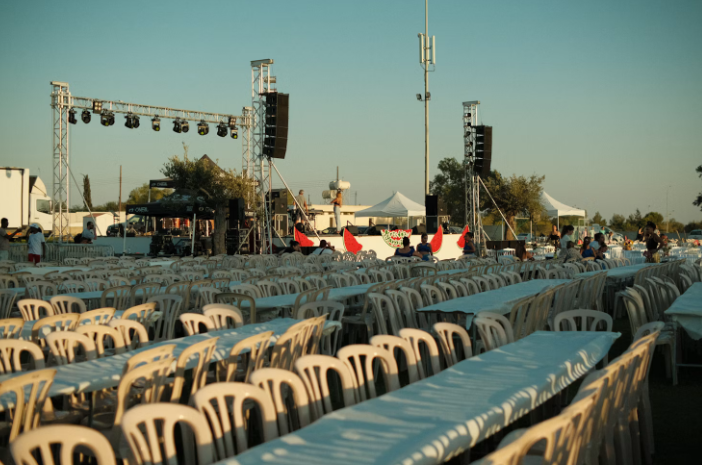
Ever walked into an event and felt completely drawn in by the atmosphere? Often, the magic isn't just about the performance or the people. It's the space itself, like a familiar park turned into a lively night market, or a plain warehouse becoming an immersive art gallery. These changes turn ordinary spots into memorable destinations, offering unique experiences that permanent venues can't always match.
This whole process involves more than just decorating. It's a mix of creative ideas, smart architecture, and careful planning. Let's see how event organizers and designers turn empty spaces into impressive stages.
The Allure of Pop-Up Venues
There's something really exciting about temporary events. Pop-up shops, festivals, and concerts all create a feeling of urgency and exclusivity. Since they don't last long, they feel like a special, must-see occasion. This temporary nature also opens the door for huge creativity.
Organizers aren't stuck with the fixed layout or style of a traditional hall. Instead, they can build an environment from scratch that perfectly fits their theme, allowing for more creative ways to celebrate special events. This trend is part of a bigger movement in pop-up urbanism that brings energy and newness to underused city spaces, giving communities fresh ways to interact with their surroundings.
Architectural Adaptations for Events
Changing a non-traditional space means working with, and sometimes against, its existing structure. An old factory might have beautiful exposed brick but terrible acoustics. An open field offers a blank slate but no basic facilities. The trick is to adapt. Professional designers have many venue transformation secrets, but they often start with modular systems.
Temporary walls can create cozy galleries inside a large hall. Custom lighting rigs can pull attention away from dull ceilings and towards stunning centerpieces. Draping fabric can soften harsh industrial edges and improve sound. Portable staging can create focal points anywhere, from a beach to a parking lot.
Securing the Space: Essential Foundations
Before any lights go up or stage pieces are laid out, the event space needs to be secured. This is a basic step that ensures safety and control. For outdoor events like music festivals, food fairs, or even big private parties, setting up a clear perimeter is essential. This defines the event area, manages who comes in and out, and keeps everyone safe.
To handle crowds and secure the perimeter for a large outdoor festival, organizers often use temporary fencing. Getting good-quality fencing supplies is the first step in creating a safe, defined event space that can handle many people effectively. This simple boundary is key for managing crowds and overall site security.
Designing for Audience Flow and Experience
A great venue transformation isn't just about how it looks; it's about how people move and feel inside the space. Good design guides attendees on a natural journey. This means thinking about clear views to the main stage, placing restrooms and food stalls to avoid jams, and creating different zones.
For example, a corporate conference might have an energetic networking area, quiet breakout rooms, and a relaxed lounge for casual chats. Clear and creative signs, well-planned lighting, and easy pathways all help make the experience smooth. Guests can then focus on enjoying the event instead of trying to figure out where to go next.
Post-Event Deconstruction and Re-use
The magic of a pop-up event is that it's temporary. A successful transformation also includes a plan for when it's over. Taking everything down should be as carefully planned as setting it up. The goal is to leave the original space exactly as it was, or even better. This is where sustainability comes in. Using modular and reusable parts, from staging and flooring to lighting and decorations, saves money and is better for the environment. Materials that can't be reused should be sorted for recycling. A well-done teardown means the venue can go back to normal quickly, leaving a good impression for future events.