
Image credit: Unsplash
We put a lot of effort into making our personal spaces just right. We pick out paint colors, arrange furniture so it feels good, and keep things tidy. But we often forget about something that's everywhere in our homes and offices: the air we breathe. This invisible factor can quietly mess with our health, focus, and how much we get done, more than we realize.
Beyond the Obvious: What's in Your Air?
When people think about air pollution, they usually picture factory smokestacks and city smog. But the truth is, the air insid homes and offices can actually be much dirtier than the air outside.
These unseen particles include common allergens like dust mites, pet dander, and pollen that sneak in. There are also mold spores that love damp spots and volatile organic compounds (VOCs). VOCs are gases that come from everyday things like cleaning products, paint, new furniture, and even air fresheners. Without proper ventilation, these pollutants can build up and create an unhealthy indoor environment.
The Silent Impact on Health and Focus
The problems from breathing dirty air aren't always big or obvious right away. Often, they show up as ongoing, mild issues that we might blame on stress or not sleeping well. Things like constant headaches, a nagging cough, irritated eyes, and feeling tired for no reason can all be signs of bad indoor air quality. For people with asthma or allergies, these effects are even worse, leading to more frequent and severe reactions.
Beyond physical symptoms, dirty air can make your thinking fuzzy. This "brain fog" makes it hard to focus, remember things, and feel sharp mentally. Improving the indoor environment can help reduce these symptoms and support better overall well-being.
Productivity's Invisible Enemy
This drain on your health and focus directly leads to less productivity, both at home and at work. When you're fighting a headache or struggling to concentrate, your ability to do complex tasks, solve problems, and think creatively drops. In an office, this problem gets bigger across the whole team, causing missed deadlines, more mistakes, and generally lower output.
Studies have shown that people think much better in well-ventilated places with low levels of pollutants. When employees breathe cleaner air, they are more alert, engaged, and efficient. For the growing number of people working from home, the home office environment becomes just as important. The same air that affects your sleep and relaxation is also impacting your work performance, making air quality a big part of success in your work and personal life.
Achieving Optimal Indoor Air Quality
Making the air you breathe better doesn't have to be complicated or expensive. Many effective strategies are simple and easy to do. One of the easiest ways is to get more fresh air in. Opening windows for just 15-20 minutes a day can greatly reduce the amount of indoor pollutants by letting fresh air move around.
Beyond that, try these steps:
Change Your Filters: Regularly swap out the filters in your heating and cooling system for good-quality ones that catch smaller particles.
Use Exhaust Fans: Always run the exhaust fans in your kitchen and bathrooms to get rid of moisture and pollutants right where they start.
Choose Products Wisely: Pick paints and cleaning supplies that have low amounts of VOCs whenever you can.
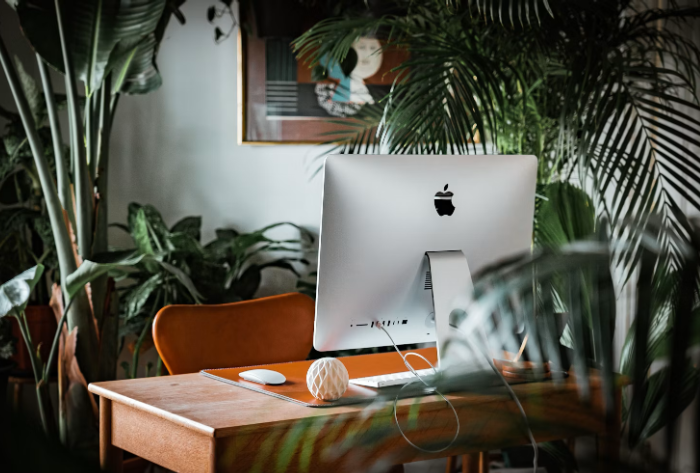
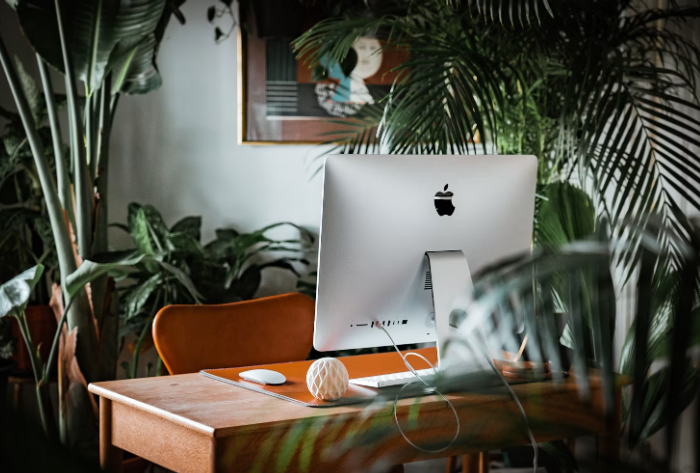
Bring in Plants: Some houseplants are known for naturally cleaning the air.
If dust, allergens, or unpleasant odours continue despite these efforts, a professional service such as Quality Air Brothers can inspect and clean the HVAC system to help reduce contaminants circulating through the home.
Long-Term Benefits for Home and Work
Making an effort to improve your indoor air quality is an investment that pays off over time. In the short term, you'll likely sleep better, have fewer allergy symptoms, and focus more easily. Over the long term, you're building a healthier foundation for yourself and your family, potentially lowering the risk of breathing problems and other ongoing health issues.
At work, a clean-air environment creates a more energetic, healthy, and productive team. It becomes a place where people can do their best work without being held back by an invisible environmental stressor. Whether at home or in the office, breathing cleaner air leads to a better quality of life, proving that sometimes the most powerful changes are the ones you can't even see.