
Image Credit: Unsplash
Modern machinery often depends on software as much as steel, hydraulics and electrical components. That shift has made repairs faster in some cases, yet it has also raised questions about who controls diagnostic tools, replacement parts and access codes.
The debate over right-to-repair laws affects farmers, construction crews, equipment owners and the independent mechanics who keep essential machines running. For owners, the issue comes down to a practical concern: how quickly and affordably can a broken machine return to work?
Software Locks and Digital Ownership
Many modern machines record fault codes and use electronic control units to manage performance, sparking a nationwide fight for repair rights. A mechanic may replace a failed sensor correctly, only to find that the machine still requires manufacturer-authorized software to recognize the new component. Access can involve subscription fees, specialized hardware or an internet connection that isn't always available in a rural workshop.
These restrictions blur the meaning of ownership. You may own the physical machine while having limited control over the software needed to maintain it. The FTC repair restrictions report found little evidence supporting many common arguments for limiting independent repair. Owners can protect themselves by asking about diagnostic access, software subscriptions and component pairing before buying equipment. Those questions expose future servicing costs that may not appear on the sales quote.
Why Mechanics Turn to Independent Suppliers
Independent mechanics often work across multiple equipment brands, so they need flexible access to components and technical information. Waiting for a single authorized distribution channel can extend a straightforward repair from one afternoon to several days. Older machines pose another problem: original components may become harder to source even though the equipment remains useful.
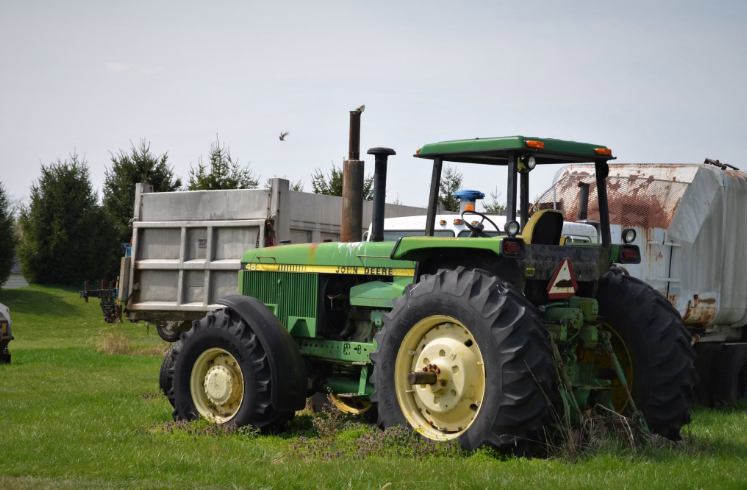
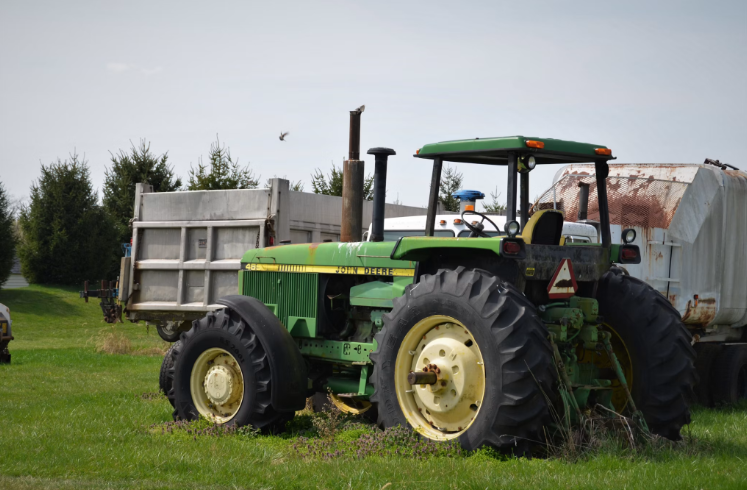
Independent suppliers help mechanics compare compatible components and locate items by manufacturer or system. For example, when sourcing tractor parts, owners and mechanics can search for cab and body parts, driveline components, electrical items, and engine components from several manufacturers. Before ordering, record the model, serial number and markings on the original component. Clear photos and accurate measurements also reduce the risk of receiving a part that looks right but doesn't fit.
The Real Cost of Equipment Downtime
A repair invoice shows only part of a breakdown's cost. A tractor that stops during planting can delay work across an entire property. Construction equipment sitting idle can leave a crew waiting while rental fees, wages, and project deadlines keep accumulating. Even a two-day delay can cost far more than the failed component.
Track downtime as carefully as repair spending. Record when the machine stopped, how long diagnosis took, when parts were ordered and when work resumed. This simple log can reveal repeated delays caused by poor parts availability or restricted diagnostic access.
Keeping a small stock of high-use filters, belts, switches and seals may also help, provided components are stored correctly and checked against service schedules. For expensive assemblies, identify two or three possible suppliers before a failure occurs. Preparation gives the mechanic options when every working hour matters.
Protecting Independent Repair Culture
Independent repair survives through practical knowledge, documentation and access to training. Experienced mechanics often recognize wear patterns that software alone can miss, while younger technicians bring valuable skills in electronics and digital diagnostics. Workshops benefit when they share both kinds of knowledge.
Equipment owners can support that culture by keeping service records, wiring diagrams and parts manuals with the machine. They should also ask repairers how they will test replaced components and whether software calibration is required. Clear documentation helps the next mechanic understand what has already been done.
Manufacturers have a role too. Selling diagnostic tools, publishing repair procedures and supplying components for a reasonable period would give owners more choice without removing professional standards. Repair access works best when qualified technicians can obtain the same essential information wherever they operate.
The right to repair becomes real at the workshop door, where a mechanic either has the information and component needed or has to send a machine elsewhere. Keeping that access preserves equipment longer and gives owners real control over assets they have already paid for.