
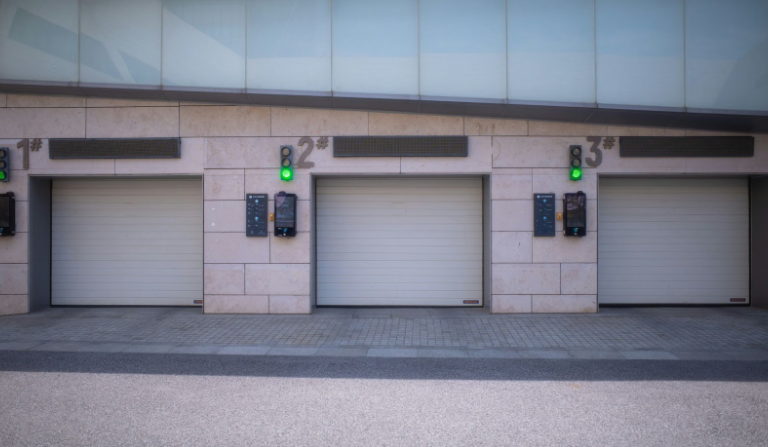
Roll-up doors are very much a standard for a lot of business premises, but are also found on residential properties.
Having your roll-up doors malfunction is certainly more than just a minor inconvenience. It can be a significant drain on your resources and one that impacts security, operational productivity, and energy efficiency.
With that being said, it’s worth knowing what hidden costs might be incurred from a rolling door and what to do in order to fix it quickly to help minimize the disruption.
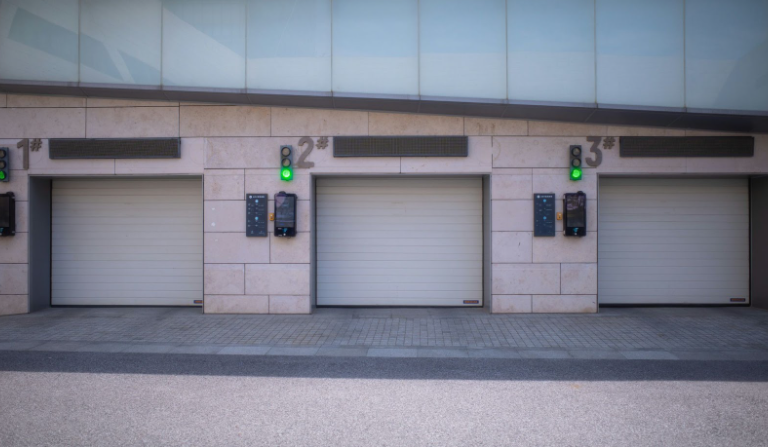
Hidden costs of a malfunctioning roll-up door
There are a number of hidden costs of a malfunctioning roll-up door that need addressing. These include the following:
Surging energy costs
When a roll-up door doesn’t close properly, it creates a gap that exposes your indoor areas to the outdoors. Air leaks will directly increase healing and cooling expenses.
Premature component failure
A stuck or slow door often places excessive strain on the opener, springs, motor, and cables, shortening their lifespan as well as leading to costly premature replacements.
Emergency repair premiums
Ignoring small issues such as grinding noises will usually lead to major and sudden failures. Emergency, after-hours repairs will often cost significantly more than scheduled maintenance.
Security risks
Misaligned or slow doors that aren’t latching or locking properly will leave your building vulnerable to theft and may also void any building's insurance you have on the premises.
Lost productivity & operational downtime
In a commercial environment, leaving a stuck door unfixed can stop forklifts, cause staff idle time, and hinder inventory movement.
Insurance and safety hazards
A broken door will often fail to meet health and safety regulations, which can lead to potential fines and voided insurance claims if an accident or theft occurs.
How to fix malfunctioning roll-up doors quickly
So, how do you fix malfunctioning roll-up doors quickly? Here are a few suggestions on how to get common problems sorted without too much hassle.
For doors that won’t open or close, check for a building-wide power outage. You might need to check for tripped circuit breakers and also check that the motor is plugged in.
Any doors that are stuck halfway or misaligned will need the tracks inspected for debris and to ensure the tracks aren’t bent. For any grinding or slow movement, make sure to lubricate all moving parts, including bearings, hinges, springs, and tracks, to ensure a smooth operation.
Sensor issues will need their sensors wiped with a dry cloth, making sure that they’re realigned until the indicator light is solid.
For commercial door troubleshooting like remote issues, make sure to replace the batteries in the remote and, where necessary, reprogram it according to the manufacturer’s instructions. Any off-track door or broken spring requires you to stop the door immediately and call a professional.
Of course, if the door has been there for some time, then you might also want to explore the option of replacing the door at some point down the line when it’s gone beyond its shelf life.