
Image Credit: Unsplash
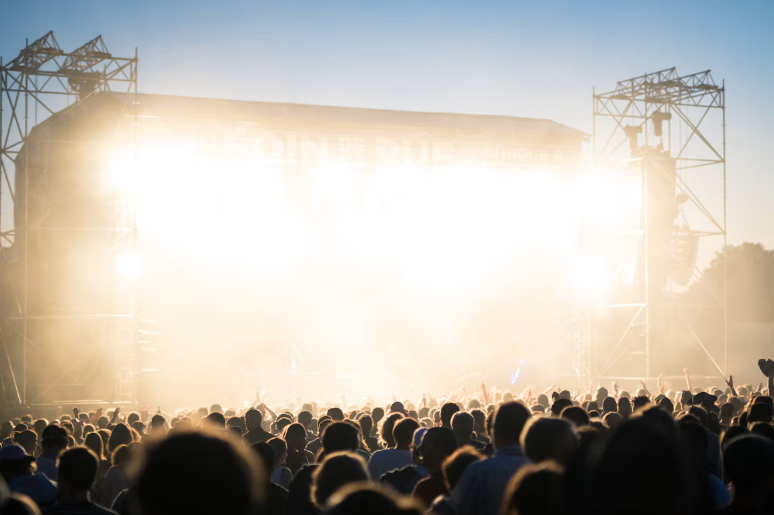
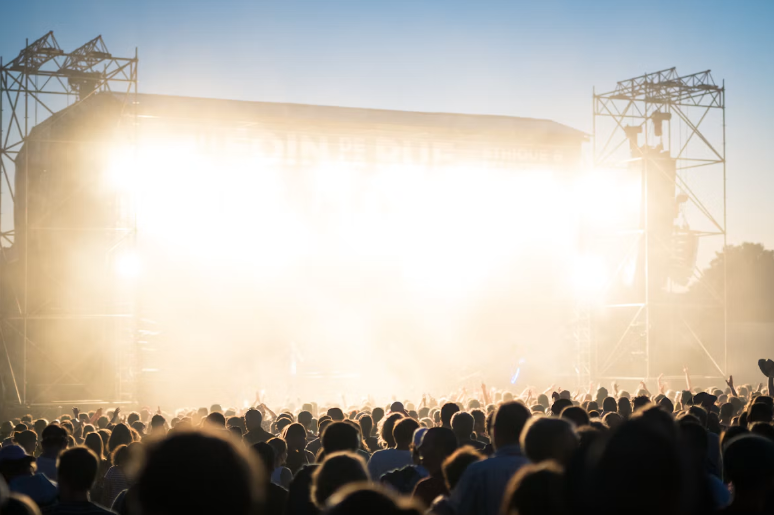
A massive festival stage is a temporary building engineered to carry tons of equipment while handling wind, rain and constant movement. Its dramatic appearance may last for only a weekend, but months of design work often come first. Engineers, fabricators and production teams must coordinate every connection point before the first truck reaches the venue.
The process also reveals the hidden engineering behind event stages, from modular support systems to carefully planned equipment loads. Here’s how those technical decisions turn an open site into a reliable performance space.
Engineering for Extreme Weather
Outdoor stages face conditions that permanent indoor venues rarely encounter. Engineers calculate wind loads across roofs, video screens and decorative panels because each surface can act like a sail. Ground conditions matter too. A support placed on soft soil behaves differently from one positioned on asphalt, so crews may use ballast, base plates or ground protection systems to distribute weight.
A detailed outdoor stage rental guide helps organizers compare roof styles, dimensions and production requirements before selecting a structure. That decision should account for local weather history and drainage, not only audience capacity. On site, teams monitor wind speed and follow predetermined limits for removing covers, lowering equipment or clearing the stage.
Where Audio Meets Structural Design
Speaker arrays deliver consistent sound across a large crowd, but suspending them introduces concentrated loads at specific points. Structural engineers need the weight of each array, its mounting hardware and the forces created when wind causes it to move. Lighting fixtures, cables and video equipment add more weight above performers and technicians.
Accurate connection points begin with detailed drawings and controlled manufacturing. Comparable precision is required when commercial and industrial clients commission steel fabrication involving custom designs, CNC plasma cutting or formed components. For festival projects, production suppliers should provide engineers with final equipment schedules early. Replacing a video wall or adding speakers at the last minute can change load distribution enough to require new calculations and extra support.
The Demands of Modern Steel Fabrication
Festival structures depend on components that can be transported efficiently, assembled repeatedly and inspected between events. Sections must fit within trucks and connect quickly without sacrificing alignment. Designers often favor modular parts because crews can adapt the same system to different stage widths and roof configurations.
Modern fabrication equipment helps produce consistent brackets, plates and connection holes. CNC cutting creates repeatable profiles while press brakes form parts to specified angles. Welded assemblies still require careful inspection, since small defects or distortion can affect how components fit on site.
Traceability also matters. Teams should label structural pieces, document repairs and remove damaged parts from service. A component with bent edges, cracked welds or elongated connection holes needs professional assessment before reuse, even if it appears capable of carrying weight.
Safety Standards Behind the Spectacle
Stage safety starts long before the audience arrives. Organizers need stamped engineering documents where required, clear assembly instructions and named people who can stop work when conditions become unsafe. Crews should confirm that the completed structure matches the approved design instead of relying solely on visual checks.
Guidance on preventing stage failures emphasizes qualified engineering, correct installation and active weather monitoring. Those controls work best when responsibilities are written down. One person should track weather alerts, another should maintain the equipment load schedule and supervisors should record inspections before rehearsals and public entry.
Emergency plans also need specific triggers. Crews must know the wind-speed threshold for securing suspended equipment, who can order an evacuation and where people should move if the site closes.
When the first performer walks out, the stage should feel effortless. That apparent simplicity comes from thousands of checked measurements, documented connections and decisions made well before opening time. The spectacle succeeds because the structure beneath it remains predictable.