
Image Credit: Pexels

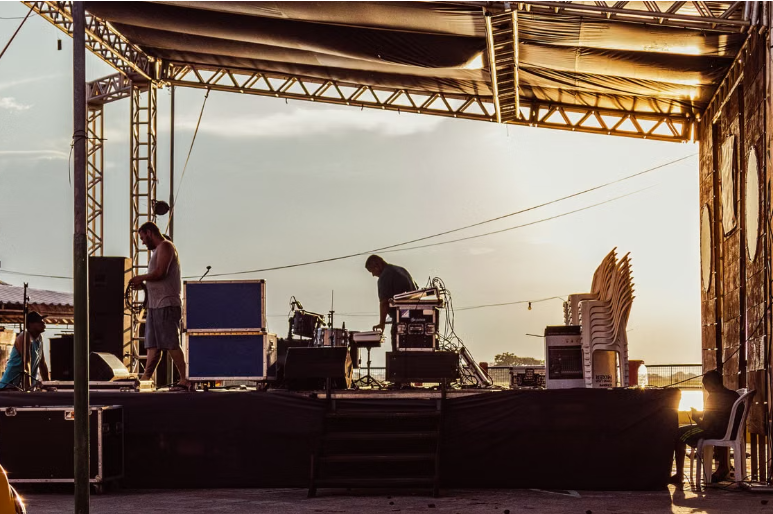
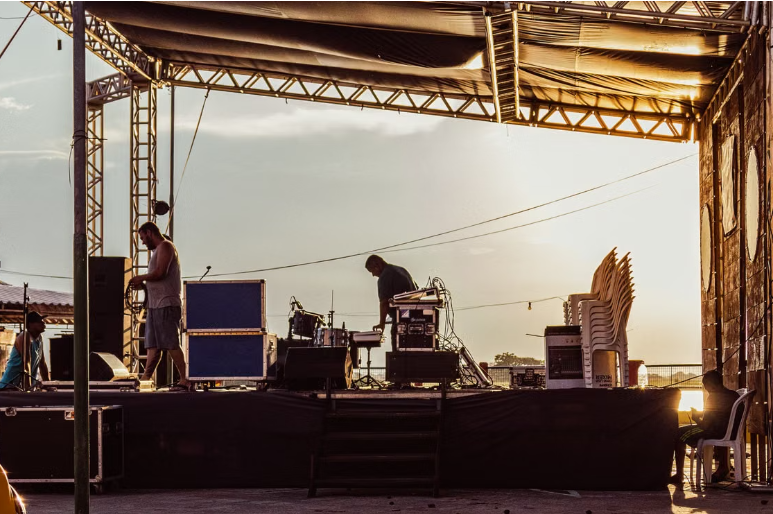
A massive festival stage depends on far more than performers, lighting and sound. Long before the gates open, production crews must move tonnes of equipment, prepare stable work areas and coordinate machinery within narrow delivery windows. A delayed truck or bogged lift can affect dozens of contractors and push sound checks into opening time.
The work stays mostly invisible when everything goes to plan. Behind the scenes, however, logistics teams constantly assess access routes, ground conditions, equipment availability and changing weather.
Moving Sound Systems Across Tough Terrain
Festival sound systems travel in flight cases that protect sensitive components but add considerable weight. Crews may need to move speaker arrays, cabling and control equipment across paddocks, temporary roads or rain-softened ground. As this overview of large-scale festival production explains, site preparation and technical coordination begin well before the audience arrives.
Moving heavy equipment into a festival site is only part of the logistical challenge; planners also need a response plan if a delivery truck or machinery becomes disabled before unloading. A stranded vehicle can block access routes, delay other deliveries and leave crews waiting for essential staging equipment. Arranging suitable towing services in advance can help production teams plan for vehicle recovery and heavy-equipment transport when unexpected problems arise. Include vehicle access, equipment dimensions and recovery arrangements in the site logistics plan, so support can be coordinated without unnecessarily disrupting the build schedule.
Heavy Machinery Powers the Main Stage
Large stages arrive as engineered systems containing trusses, platforms, roof sections and ballast. Telehandlers lift materials from trucks, elevated work platforms give riggers controlled access and cranes position components that can’t be moved safely by hand. Each machine needs a suitable operating zone with firm ground and clear separation from other activity.
That complexity is explored further in this look at major festival operations, where multiple production departments work to one build schedule. Lift plans should record the equipment being moved, its weight, the machine assigned to it and the exclusion area required. Crews also need agreed hand signals or radio channels, since engine noise can make spoken directions impossible to hear.
Emergency Breakdown Plans for Heavy Gear
A single machinery failure can stop work across the site. If a telehandler fails while unloading staging, following trucks may have nowhere to park and technical teams may lose access to equipment they need. Production managers reduce that risk by listing backup suppliers, recovery contacts and alternative unloading points before the build begins.
The contingency plan should record machine models, approximate weights and access limitations so support crews know what they may encounter. Operators also need a clear reporting process. Small warning signs such as fluid leaks, unusual vibration or slow hydraulic movement should trigger an inspection before the equipment fails in a critical position. Readers interested in the physical systems supporting live events can also explore the hidden engineering behind event stages, including load management and temporary structures.
Keeping the Production on Schedule
Festival schedules work best when planners build them around dependencies. Ground protection must be installed before loaded vehicles arrive, stage decks must be ready before technical equipment goes up, and safety inspections must happen before performers enter the area. A shared run sheet should name the person responsible for each task and include realistic setup, inspection and handover times.
Delivery slots also need breathing room. Booking trucks five minutes apart creates congestion as soon as one load takes longer than expected. Wider windows, a holding area and a traffic marshal give drivers clear instructions without blocking access roads. Daily briefings can then cover weather, changed routes, machine availability and delayed deliveries. This keeps every contractor working from the same current information.
The final measure of good festival logistics is simple: audiences see a finished stage, crews have room to work safely, and the first sound check begins on time. That outcome starts with access maps, machinery plans and backup contacts prepared long before the first truck reaches the gate.