
Image Credit: Unsplash
Outdoor event spaces shape how guests move, connect, and remember an occasion. A thoughtful layout can turn a simple lawn, courtyard, or rooftop into a comfortable setting that supports the event from arrival through departure. The best results come from treating the site as part of the guest experience, with clear paths, useful amenities, and visual details that suit the occasion. Hosts and property managers also need to consider maintenance, weather, and accessibility long before tables or signs arrive.
Beyond the Stage: Venue Aesthetics
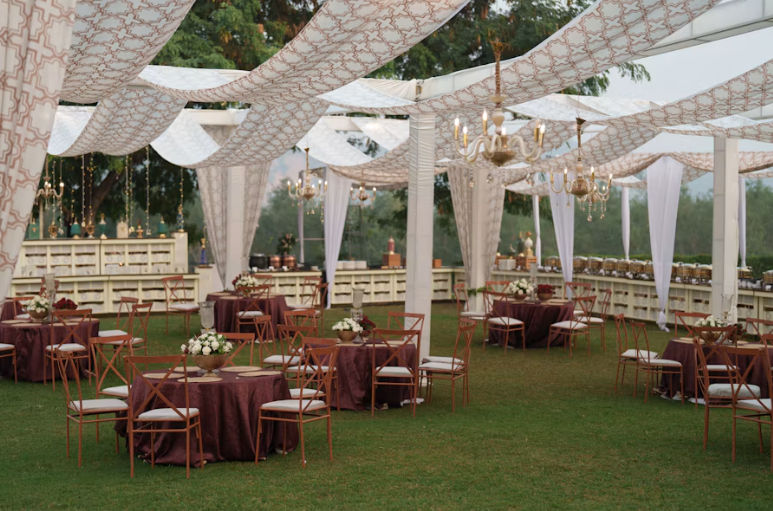
Guests notice the whole setting, not only the main presentation area. Trees can frame gathering zones, planters can soften barriers, and coordinated materials can give temporary installations a more polished look. Ideas for improving outdoor event spaces often begin with practical features such as shade, seating, and shelter.
Use the site's existing character as a guide. A brick courtyard may suit warm lighting and simple wood furniture, while a modern terrace may call for geometric planters and clean lines. Small details also matter. Trimmed planting beds, clean pavement, and concealed service areas keep attention on the event. As this look at unforgettable event venues shows, an ordinary location can become memorable when its design supports a distinct experience.
First Impressions: The Arrival Experience
The guest experience starts at the property entrance. Visitors should understand where to park, where to walk, and where to check in without needing repeated directions. Place signs at each decision point, keep routes free of low branches, and make sure entrances remain visible after dark.
Regular property care also affects that first impression. Business owners and property managers can review what commercial landscape maintenance delivers when weighing ongoing support for appearance, safety, and property value. Before an event, walk the arrival route at the same time of day guests will use it. Check lighting levels, uneven surfaces, and places where a line might block the sidewalk. This short inspection often reveals issues that daytime setup crews miss.
Creating Functional Gatherings
A beautiful space can still frustrate guests if its layout creates bottlenecks. Start with the event's expected flow. A 150-person reception needs enough room near registration, food service, and restrooms to prevent separate lines from merging. Leave direct routes for staff so supplies can move without cutting through conversation areas.
Comfort deserves equal attention. Provide a mix of seated and standing areas, place shade where guests are likely to linger, and keep loud equipment away from quieter zones. Accessible routes should remain firm, stable, and wide enough for easy movement. Test the arrangement before setup by marking major features with cones or tape. A simple walk-through can show that a display blocks a view or that a table sits too close to a busy path.
Sustainability in Outdoor Design
Sustainable design reduces waste and improves venue efficiency. Use reusable signs, refillable water stations, durable furnishings, and climate-appropriate plants to conserve resources. Direct lighting toward paths and activity areas to reduce glare and energy use. Place clearly labeled recycling and trash bins near food areas. After each event, review waste patterns to improve purchasing, bin placement, and vendor instructions.
Impact on Brand Perception
An event setting communicates standards before anyone hears a speech or meets a representative. Healthy plantings, clean paths, and organized gathering areas suggest that the host pays attention to detail. Neglected edges, confusing signs, and damaged furniture send the opposite message, even when the program itself runs on time.
Venue choice contributes to that impression too. Guidance on finding distinctive event venues can help planners match a location to the mood and purpose of an occasion. The strongest brand connection comes through restraint. Use colors, signs, and decor consistently, but leave enough visual space for guests to enjoy the property itself. When the final attendee can find the exit easily and still pauses to admire the setting, the outdoor design has done its job.