
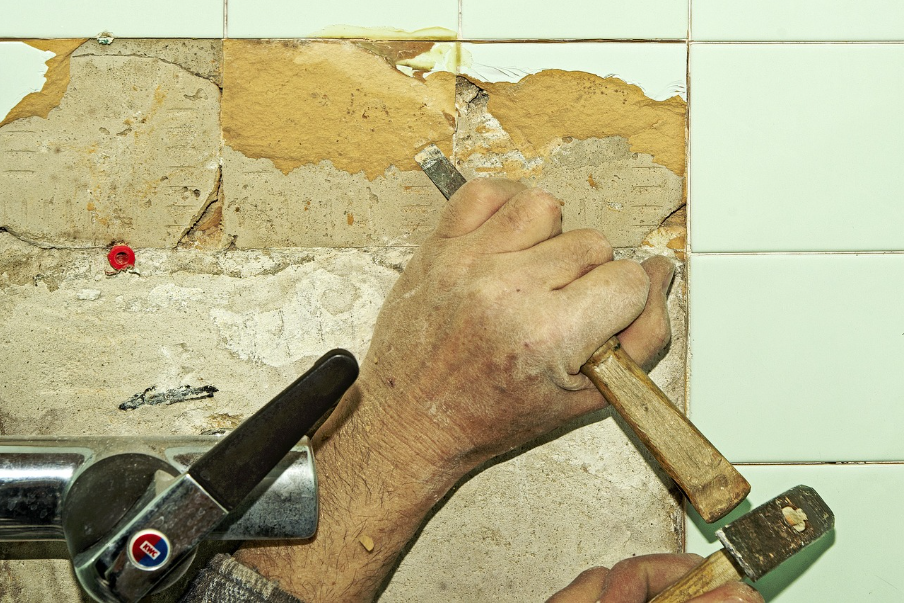
Bathrooms are often overlooked when it comes to interior design, yet they are some of the most frequently used spaces in any home. A well-designed bathroom should blend functionality with aesthetics, creating a comfortable and visually appealing environment. However, many homeowners unintentionally make design mistakes that can compromise both the practicality and look of their bathroom. Avoiding these pitfalls can make a huge difference in creating a space that is both stylish and functional. Here are five common bathroom design mistakes that can ruin your bathroom aesthetic.
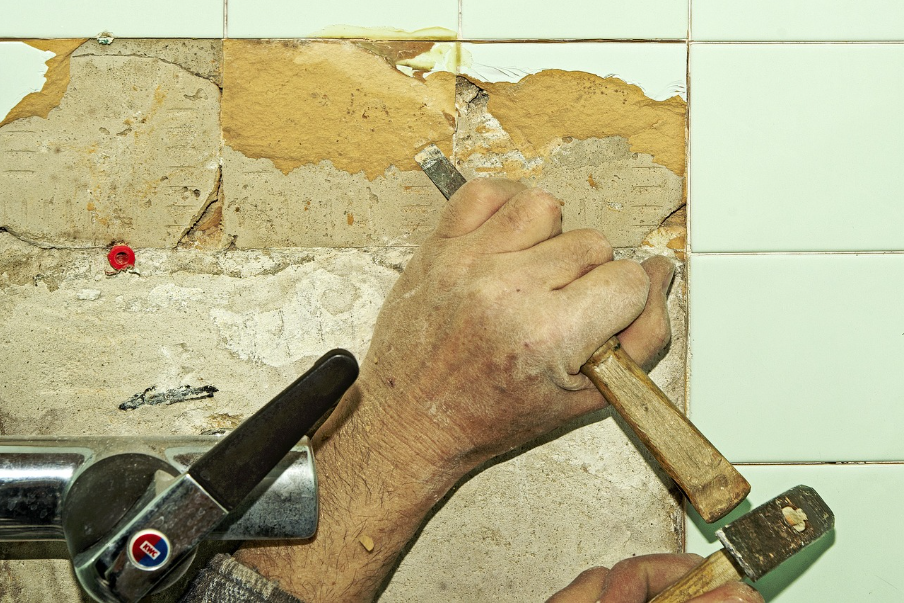
Pixabay
1. Poor Lighting Choices
Lighting is one of the most critical elements in bathroom design, yet it’s often underestimated. Many bathrooms suffer from insufficient lighting, harsh overhead lights, or poorly placed fixtures that cast unflattering shadows. Choosing the wrong lighting can make even a beautiful bathroom feel dull, cramped, or uncomfortable.
A well-lit bathroom should include a mix of task, ambient, and accent lighting. Task lighting, such as lights around mirrors or vanity areas, is essential for grooming and makeup application. Ambient lighting provides overall illumination, creating a warm and welcoming atmosphere. Accent lighting can highlight architectural features or decorative elements, adding depth and style to the space.
Avoid relying solely on a single overhead light. Instead, consider wall sconces, recessed lighting, and even LED strips around mirrors or under cabinets. Natural light is also invaluable, so if possible, incorporate windows or skylights to make the bathroom feel bright and airy.
2. Ignoring Storage Needs
A common mistake in bathroom design is underestimating storage requirements. Bathrooms are notorious for becoming cluttered with toiletries, towels, cleaning supplies, and personal items. Without adequate storage, even the most beautifully designed bathroom can quickly appear messy and chaotic.
Consider built-in storage solutions like vanity cabinets, medicine cabinets, or recessed shelving. Floating shelves can also be a stylish way to store items while maintaining an open feel. For smaller bathrooms, consider multi-functional furniture like mirrors with hidden compartments or over-toilet storage units.
Neglecting storage not only impacts aesthetics but also affects the functionality of your bathroom. Clutter-free surfaces, neatly organized towels, and accessible toiletries contribute to a calm, spa-like environment that enhances your overall experience.
3. Overlooking Ventilation
Many homeowners focus solely on the visual aspects of bathroom design while neglecting proper ventilation. Poor ventilation can lead to excessive humidity, which may cause mold, mildew, and damage to surfaces like paint, wallpaper, and cabinetry. The result is not only an unsightly bathroom but also potential long-term health and maintenance issues.
A high-quality exhaust fan is essential to maintain air circulation and remove moisture from the room. Ideally, the fan should be powerful enough to handle the size of your bathroom and be positioned near areas that generate the most humidity, such as the shower or bathtub. In addition, windows can provide natural ventilation, so incorporating operable windows where possible is beneficial.
Proper ventilation is not just a practical necessity; it also preserves the aesthetic appeal of your bathroom. Mold stains on grout, peeling paint, and warped wood can ruin an otherwise stunning design. Ensuring your bathroom is well-ventilated will protect your investment and keep the space looking fresh for years to come.
4. Choosing the Wrong Materials
Selecting the right materials is critical for both the functionality and aesthetic of your bathroom. Many homeowners make the mistake of prioritizing looks over durability, leading to surfaces that deteriorate quickly or become difficult to maintain.
For example, while natural stone can add a luxurious feel, it requires regular sealing and maintenance to prevent staining. Similarly, certain types of wood may warp or swell in a humid environment if not properly treated. On the other hand, inexpensive materials like low-quality laminates or particleboard can look cheap and wear out quickly.
When choosing materials, consider their durability, water resistance, and ease of cleaning. Porcelain tiles, quartz countertops, and solid-surface materials are excellent choices for bathrooms because they withstand moisture and maintain their appearance over time. Additionally, pay attention to finishes—matte surfaces can hide water spots and fingerprints, while glossy surfaces may require more frequent cleaning to maintain their shine.
Balancing aesthetics with practicality ensures that your bathroom not only looks beautiful but also stands up to the rigors of daily use. Making thoughtful material choices prevents costly repairs and maintains the overall elegance of the space.
5. Ignoring Scale and Proportion
One of the most overlooked aspects of bathroom design is the scale and proportion of fixtures and furnishings. Installing oversized fixtures in a small bathroom or using tiny accessories in a large space can disrupt the balance and visual flow of the room. Poorly proportioned elements can make the bathroom feel cramped, cluttered, or awkwardly empty. For example, choosing appropriately sized toilets, vanities, and comfortable electronic bidet seats ensures both functionality and a luxurious feel. For small bathrooms, consider compact fixtures, wall-mounted toilets, and narrow vanities that maximize floor space. Large mirrors can create the illusion of space, while strategically placed lighting enhances the perception of openness. In larger bathrooms, avoid undersized vanities, sinks, or towel racks that may look out of place and disrupt the sense of proportion.
Additionally, consider the layout carefully. Allow enough clearance between fixtures for ease of movement and accessibility. A well-proportioned bathroom not only looks aesthetically pleasing but also improves the overall functionality and comfort of the space.
Conclusion
Creating a beautiful bathroom requires more than picking attractive tiles and trendy fixtures. It involves thoughtful consideration of lighting, storage, ventilation, materials, and proportions. By avoiding these common design mistakes, homeowners can ensure that their bathroom is both functional and visually appealing.
Poor lighting, insufficient storage, inadequate ventilation, inappropriate materials, and disproportionate fixtures are all pitfalls that can detract from the overall aesthetic. Paying attention to these details will help you create a bathroom that is not only a joy to use but also a space that enhances the style and value of your home.
Ultimately, a well-designed bathroom is a sanctuary—a place where you can relax, refresh, and recharge. Avoiding these common mistakes ensures your bathroom remains a stylish, functional, and inviting space for years to come.