
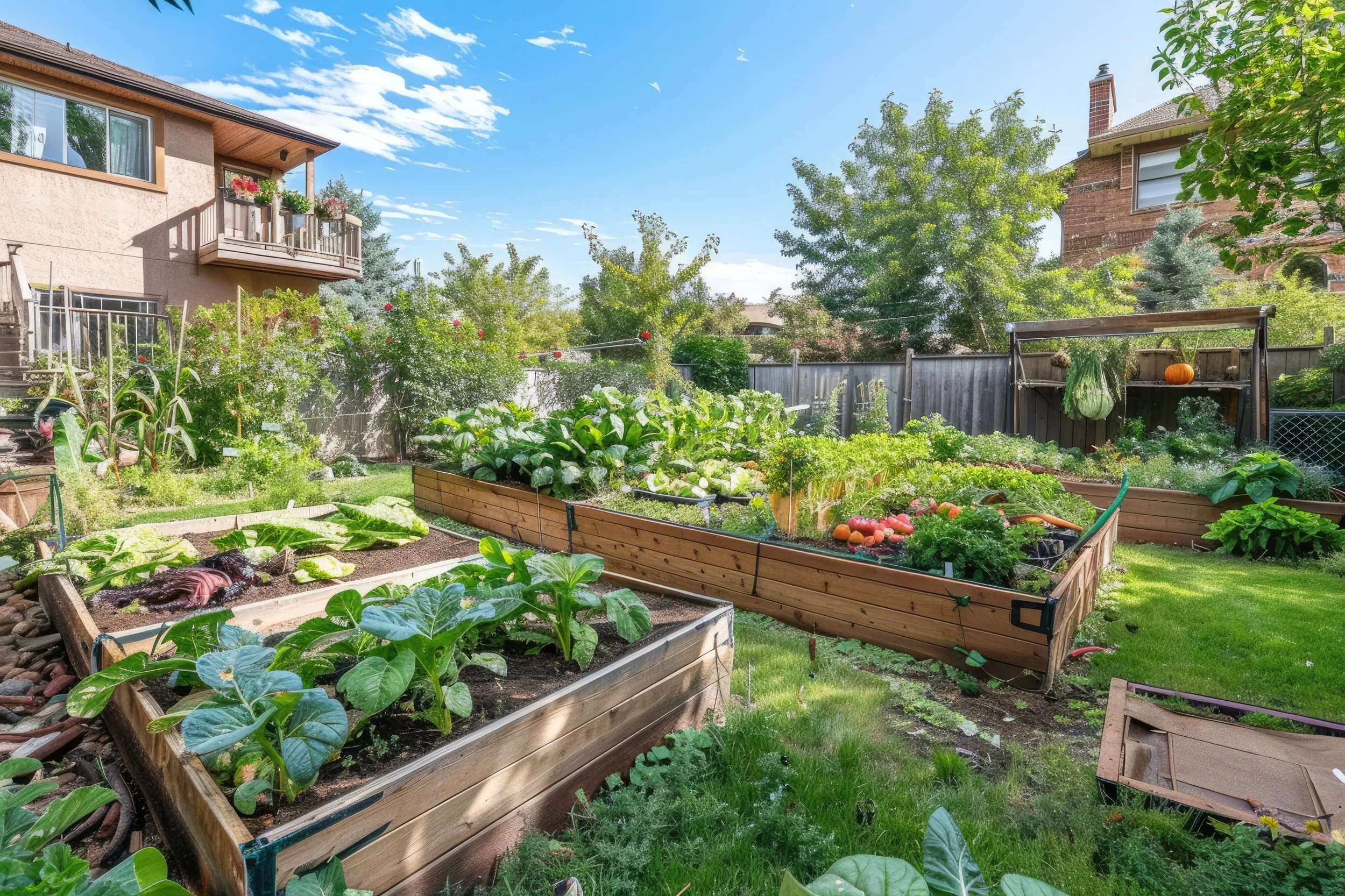
The dream of self-sufficiency often conjures images of rolling hills and vast acreage. However, you don't need a sprawling ranch to start homesteading. A quarter-acre suburban plot—roughly 10,890 square feet—is more than enough to produce a significant portion of your own food, manage waste, and build a resilient lifestyle.
The key to small-scale success isn't more land; it's intensive management and vertical thinking.
1. Master the Layout
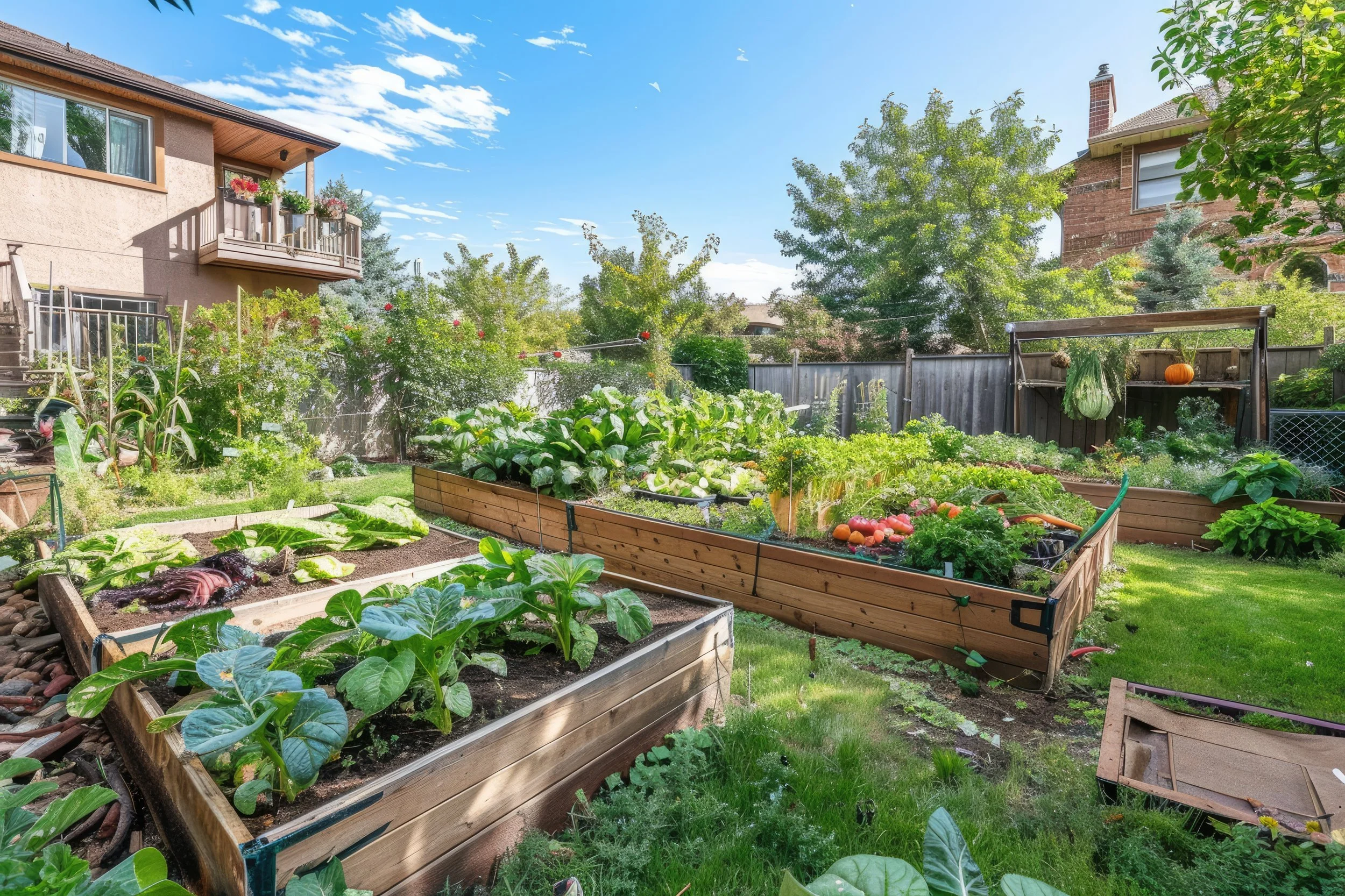
On a small plot, every square foot must serve a purpose. Traditional "row cropping" is inefficient here; instead, use intensive gardening techniques:
Raised Beds: These allow for better soil control and closer plant spacing.
Keyhole Paths: Minimize walking space to maximize growing space.
Verticality: Use trellises, arches, and wall-mounted planters for "climbers" like cucumbers, pole beans, and squash.
2. Edible Landscaping
Why plant a decorative maple when you could plant a serviceberry or a dwarf fruit tree? Replace ornamental hedges with blueberry bushes and use strawberry runners as a groundcover. By swapping thirsty lawns for "food forests," you turn a maintenance chore into a harvest.
3. Small-Batch Livestock
Check your local municipal codes first, but many suburban areas now allow:
Chickens: A small coop with 3–4 hens can provide a steady supply of fresh eggs and high-quality fertilizer.
Bees: One or two hives require very little footprint and will dramatically increase your garden’s pollination rates.
Rabbits: Quiet and space-efficient, they are an excellent source of protein and "cold" manure that can go straight onto the garden.
4. Closing the Loop
A homestead is a system, not just a garden. To make a quarter acre truly productive, you must manage your resources:
Composting: Turn kitchen scraps and yard waste into "black gold" to nourish your soil without synthetic fertilizers.
Rainwater Catchment: Install rain barrels to reduce your utility bill and provide chlorine-free water for your plants.
Start small. Don't try to install a coop, a greenhouse, and ten raised beds in one weekend. Pick one "zone" of your yard, master it, and expand as your skills grow.
By focusing on high-yield crops and stacking functions, your suburban lot can become a thriving, productive ecosystem that provides far more than just a place to park the car.