
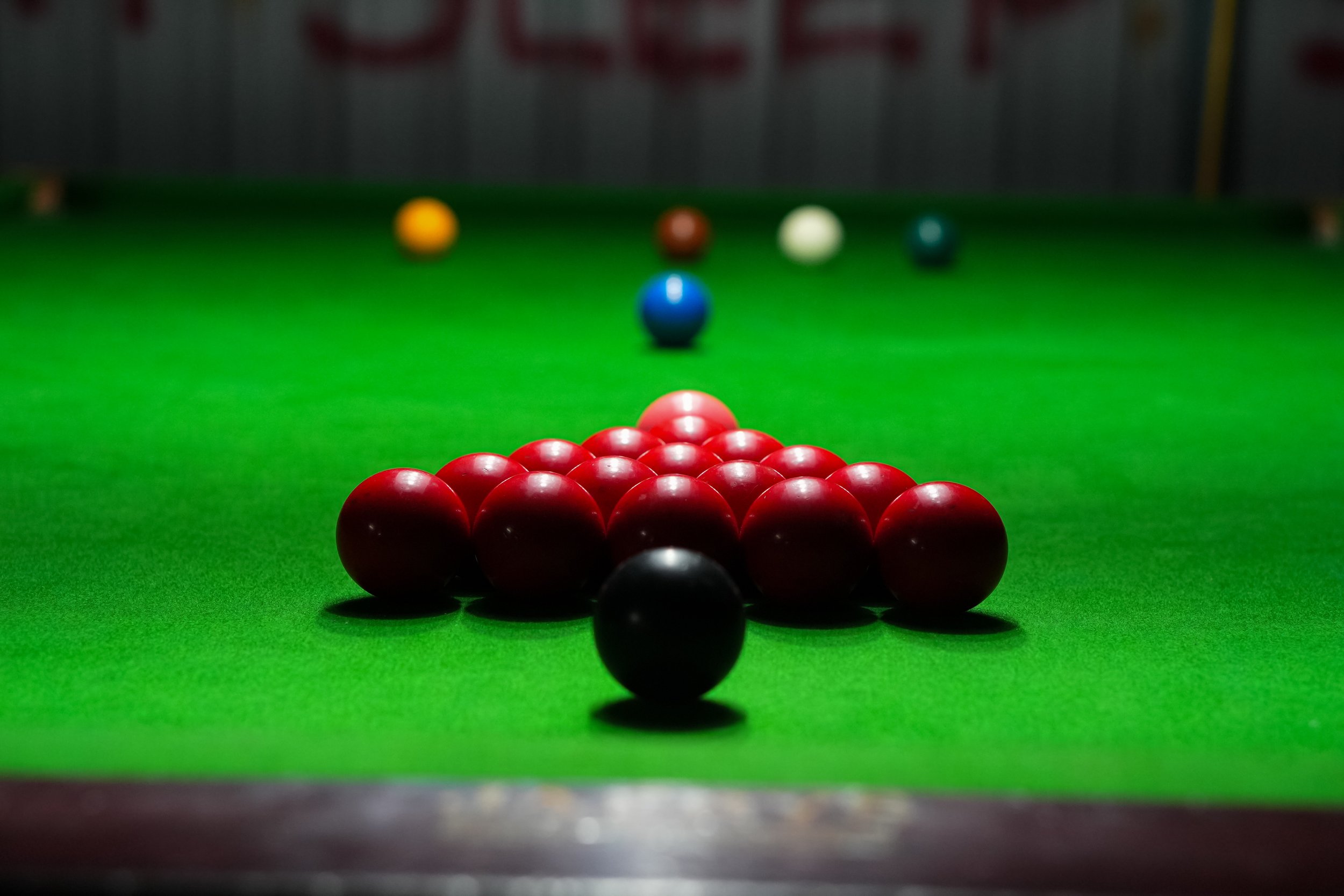
Most people misunderstand this. They see an available room, envision a snooker table, and go out and buy one before verifying that there's enough space for the cue to go back and forth. The room's dimensions are key. A regulation full-size table is 11 feet 8.5 inches by 5 feet 10 inches. That's 2.72 meters by 1.37 meters in new money, but most importantly, it requires a playing area of at least 22 feet by 16 feet to make sure you can cue for any shot from World Snooker's 360-degree 1.83-meter clearance check. If the room you've got in mind is too cozy, a 10-foot table or a 9-footer simply has to be your answer, not a compromise.
But the crucial number isn't any of these. It's the playable area: the size of the table, plus at least five feet on all sides to allow a 57-inch cue to stroke freely. Find that out before going any further: If the playing area doesn't snuggly fit, adjust the room or the table, not your dreams of table size. Those will be shattered soon enough if you're forced to make tricky shots while practically hugging the wall.
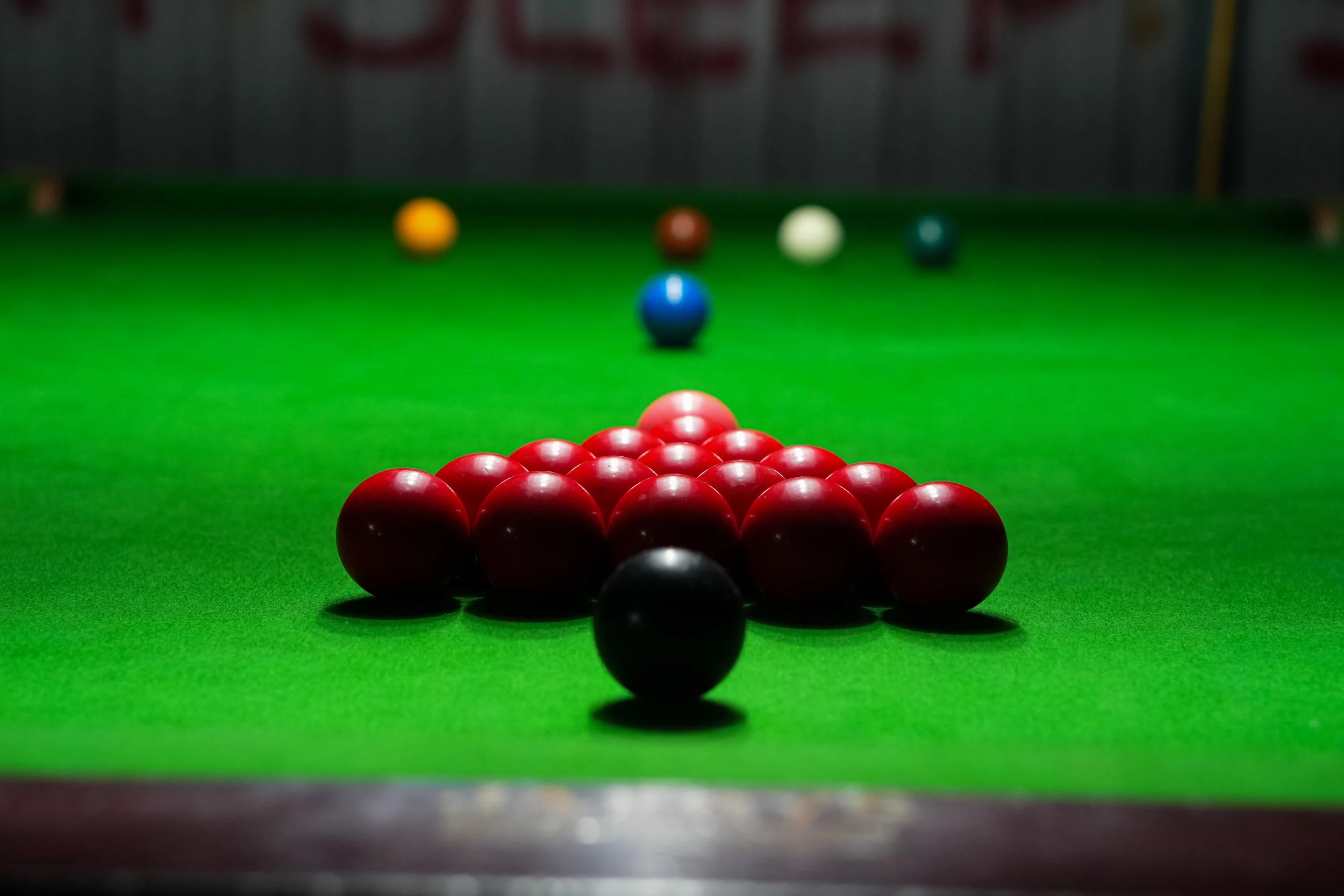
The table decision
A slate snooker table is essential for serious players who want to improve their game. If you're looking to practice seriously, it's not even worth considering anything else. Slate snooker tables are expensive and incredibly heavy, but the quality of the play is unmatched.
Also, consider the floor you want the table on. Snooker tables are extremely heavy, and they'll weigh down pretty much any type of floor, which can cause problems if your floor isn't structurally sound to begin with. If you're planning to put the table on a floor that isn't concrete, we'd recommend checking with a professional to make sure that it can handle the weight.
Lighting isn't decorative
This is the area where most in-home installs go wrong. Upstairs lights will cast a cue-blocking shadow under the cushions and will cast shadow along the cushion - directly onto that object ball you're trying to sneak past. Proper snooker lighting is a low, wide panel of white light directly over the playing surface. It's low to completely avoid shadows from the cushions, and wide to prevent any shadows on top of the playing surface.
The best, most affordable modern solution is usually to get two appropriate-sized LED ceiling panels designed for snooker/billiards, and boom. Job done. A lot of historic rooms will have 'modern' strip lights hanging on chains. The score with those is that they provide a uniform shadow across every part of the table, reducing the visual contrast of spin and jut. However, they're also shadow-free from the cushions and a reasonable solution if you're not overly concerned.
Cloth, balls, and the accessories that matter
Strachan cloth should be installed by a professional unless you have prior experience - it's not just a matter of smoothing out the wrinkles. You'll also want to get your level out and check the table's balance, as a slant alters your stroke and it's surprisingly easy to nudge a table off true when fitting the cloth.
Balls are similarly worth getting right from the start. Aramith phenolic resin balls are what professionals use - balanced, durable, and they don't lose roundness over time the way cheaper sets do. Sourcing these alongside your cues from a Swiftflyte snooker shop means everything in the room is matched to the same performance standard, which matters more than it sounds when you're practicing consistency.
Cues should be stored on a wall-mounted rack, not leaned in a corner. A warped cue is almost impossible to play with accurately, and gravity does real damage to a cue left unsupported over weeks or months.
Flooring and finishing the room
Low-pile carpet or reinforced hardwood make the most sense. Deep pile carpet allows the table legs to sink unevenly over the years and negates any leveling you've done. Hardwood is fine as long as the table has rubber-tipped feet or is on a stabilizing pad.
Spirit leveling the table after it's installed isn't negotiable. Do it yourself with a proper spirit level across multiple points on the slate, or do what I did and simply get the installer to do it, and then verify their work. It's surprising how just a fraction of a degree of tilt will reveal to you that the ball naturally rolls-off toward the cushion on the tighter side, meaning you have absolutely no chance of ever reading the table.
For seating, high-backed stools along one wall so people can watch without standing inside the cue clearance zone is a little thing that makes the room socially useable without it disrupting the game.
Get the room right technically and the rest will follow. The investment in proper cloth, a leveled slate bed, and correctly positioned lighting isn't about luxury. It's about creating a room where your practice actually improves your game.