
Image Credit: Unsplash
The old-school office with just cubicles and desks? That's ancient history! Today, smart companies get that their physical workspace is a super powerful tool. It's not just about looking good; it's about making employees feel great, which naturally leads to more engagement, better ideas, and top-notch performance. Designing an office isn't just about cramming in as many desks as possible anymore; it's about building a place where people feel supported, comfy, and genuinely inspired to do their best work.
This means we're now looking at the office through a people-first lens. We're thinking about everything from how good the air is and the kind of lighting, to how people chat and even get a mental break. When you put your team's health and happiness first, you're really investing directly in the success and strength of your whole company.
Beyond Ergonomics: Holistic Design
For a long time, when people talked about office wellness, they mostly meant ergonomic chairs and desks you could stand at. And sure, those are super important for your physical health! But a truly supportive workspace looks at the whole person. That means designing for mental, emotional, and social well-being, not just physical comfort. This way of thinking about wellness-centered office planning treats the office like a living ecosystem.
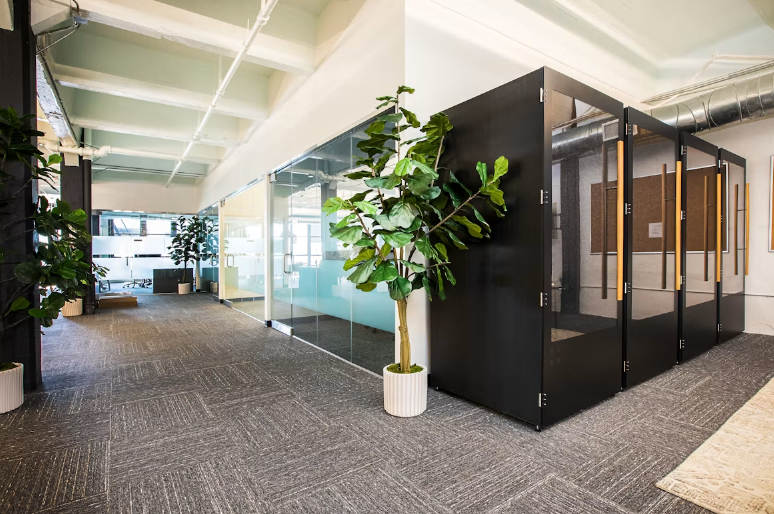
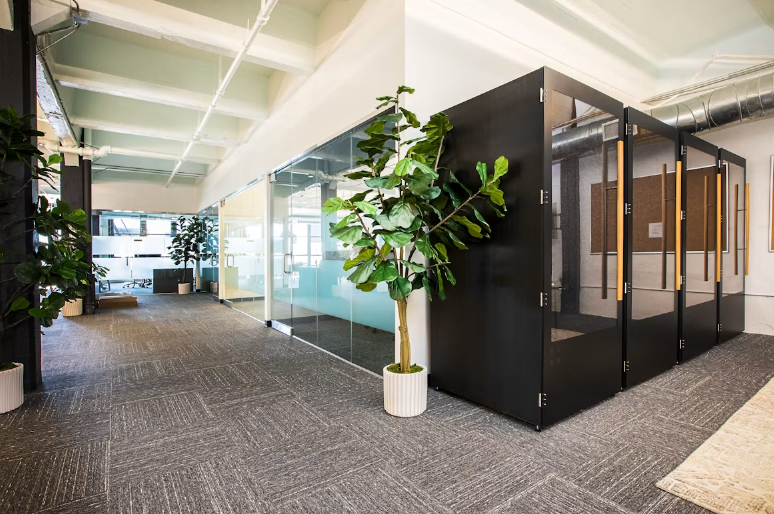
Try to create different kinds of workspaces that fit various tasks and moods. You could have quiet zones for deep, focused individual work, which can really help boost staff comfort. Then, set up collaborative hubs with whiteboards and comfy seats for brainstorming sessions. And don't forget private booths for phone calls or quick one-on-one chats.
By giving people choices and flexibility, you let your employees work in a way that suits them best. This can seriously cut down on stress and make them feel more in control of their day.
The Role of Natural Elements
Humans naturally feel connected to nature, and bringing a bit of the outdoors inside can really lift spirits and sharpen minds. This idea, called biophilic design, is a key part of creating a healthier and more productive environment. The easiest way to start is by scattering plants and greenery all over the office. They don't just clean the air; they also look lovely and bring a sense of calm.
Getting as much natural light as possible is another huge factor. Ditch those heavy blinds for shades that let light filter through, and try to arrange desks so more people get a view outside. This can reduce eye strain and give everyone more energy. If you can, use natural materials like wood, stone, and bamboo for furniture and finishes. It makes the office feel less sterile and much more welcoming, strengthening that connection to the natural world.
Creating Refreshment Zones
Taking breaks is absolutely vital for staying focused and avoiding burnout. A well-designed refreshment area encourages employees to step away from their desks, stretch, and chat with colleagues. This spot should be way more than just a tiny corner with a coffee machine. Think of it as a central gathering place for your team to recharge and connect on a personal level.
Make the area super comfortable with inviting seating and good lighting. And most importantly, offer quality drinks and snacks. Just having easy access to fresh, cool water is a simple but much-appreciated perk that helps with hydration and overall health. Working with a professional water cooler supplier can help you pick the perfect model for your space and team size, whether you go for a bottled dispenser or one hooked up to the mains. Adding healthy snacks and a variety of teas can also make the space feel like a real treat, not just a basic necessity.
Technology for Enhanced Comfort
Technology shouldn't be a headache; it should smoothly make the workspace more comfortable and functional. Smart office tech can actually create an environment that changes dynamically to fit what people need. For instance, human-centric lighting systems can tweak their color and brightness throughout the day to mimic natural daylight patterns. This helps regulate our body clocks and keeps us more alert.
Smart thermostats and zoning systems mean people can control the temperature in different office areas. No more endless debates about whether it's too hot or too cold! You can also install air quality sensors that check CO2 levels, humidity, and tiny airborne particles, automatically adjusting ventilation to keep the indoor air healthy. These clever tech additions really show employees that their comfort is a top priority.
Measuring Impact on Productivity
Putting money into a well-designed workspace is a big decision, and it's totally normal to want to see some results. While some benefits, like happier staff, are tough to put a number on, others can definitely be measured. Start by figuring out where things stand before you make any changes. Keep an eye on things like how often employees are absent, staff turnover rates, and even how long projects take.
After you've rolled out the new design, keep tracking those same numbers. You can also get direct feedback through anonymous surveys. Ask your team about their stress levels, how well they can focus, and how happy they are with the new environment. Often, the most telling information comes straight from the people using the space every single day. This feedback not only proves your investment was worth it but also gives you ideas for making things even better in the future.
Designing for well-being is an ongoing journey. By listening to your team and making continuous tweaks, you'll create a workplace that not only looks fantastic but also actively helps build a healthier, happier, and more productive company culture.