
Image Credit: Pexels
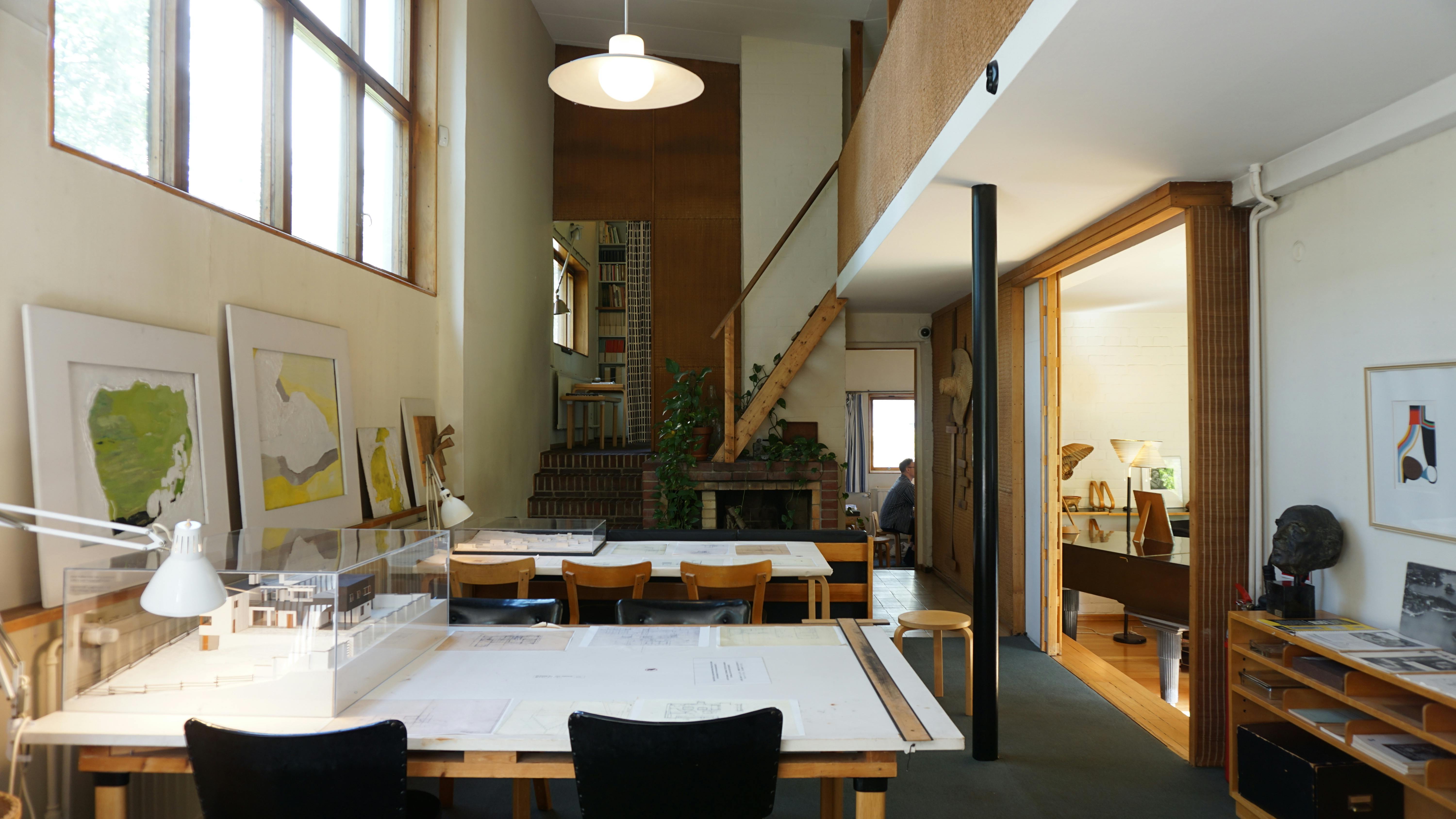
A recording studio, art gallery, or design workshop is more than just a business. It's a sanctuary for ideas, a vault for expensive equipment, and home to one-of-a-kind projects. Losing a laptop from a standard office is an inconvenience. But if a hard drive with a band's unreleased album or a painter's digital portfolio gets stolen, that's a catastrophe. Protecting these unique environments means thinking about security in a way that goes far beyond a simple deadbolt on the door.
The Value of Creative Assets
When we think about keeping a creative space safe, it's easy to focus on the physical stuff: microphones, cameras, computers, and instruments. Replacing all that gear can cost a fortune. But the real value is in the intellectual property and the works-in-progress stored there. A sculptor’s half-finished piece, a developer’s prototype, or a musician’s master recordings are simply irreplaceable.
The danger isn't just physical theft either. In our connected world, digital security in the music industry and other creative fields is a huge worry. A break-in can lead to confidential projects getting leaked, causing professional and financial damage that costs way more than the stolen hardware. Protecting a creative space means protecting the work, the process, and the artist's livelihood.
Beyond Basic Locks: Modern Security
A basic lock and alarm system might be standard, but creative venues often have specific weak spots. Think large ground-floor windows, glass-paneled doors, and multiple entry points. These need a tougher, layered approach to security. Modern security is all about setting up several obstacles that work together to stop an intruder. This includes high-definition surveillance cameras and motion-sensing alarms, but the most important layer is physical prevention.
An alarm tells you when someone breaks in, but strong physical barriers are what actually stop it from happening. Things like reinforced door frames and shatter-resistant films are a good start. For even better protection, specially designed security screens for commercial buildings offer a serious defense. These screens are built to take a lot of force, effectively securing vulnerable windows and glass doors without making the place feel like a prison. They blend in with the building's look while providing a powerful deterrent against forced entry.
Deterring Intruders Effectively
Often, the best defense is simply making your studio an unappealing target. Burglars usually look for the easiest way in. You can make your property less attractive to them by focusing on how the environment looks and by making security measures visible.
Make sure all entry points, alleys, and parking areas are well-lit. Motion-activated floodlights are especially good at startling potential intruders and getting attention.
Keep shrubs trimmed away from windows and doors. This removes hiding spots and gives clear views from the street or nearby properties.
Put up signs that clearly state the premises are under video surveillance. This simple step can make a potential thief think twice.
For studios with many collaborators or employees, keypads or card-swipe systems are better than physical keys. They let you easily give and take away access, and you can keep a record of who enters and when.
These proactive steps for security measures for studios and galleries create an environment that shows the property is well-protected and not an easy target.
Case Studies: Securing Iconic Venues
Think about how world-famous places protect their valuable items. A renowned art museum doesn't just rely on a guard at the door. It uses a complex network of pressure plates, infrared beams, and climate controls, all built into a physical structure designed to protect priceless artifacts from both theft and damage. The security is often so well-integrated that visitors barely notice it.
Many museums, galleries, and professional recording studios rely on layered security systems that combine controlled access, surveillance, and physical security measures to protect valuable assets and confidential work. Only authorized people can get into the rooms where artists are working, protecting both the expensive equipment and the highly confidential creative process. These examples show that good security is a complete system, not just one product.
Securing a creative space is an investment in the art itself. By putting a thoughtful, multi-layered security plan in place, you create a safe environment where creativity can thrive without constantly worrying about loss or theft.