Image Credit: Unsplash
Real, sustainable growth comes from working smarter, and that usually means having the right equipment. These investments don't always involve huge, expensive machines. Sometimes, the most useful tools are the ones that simplify basic tasks, freeing you and your team to focus on what truly matters.
Making smart equipment choices can turn your daily operations from a struggle into a smooth, efficient engine for growth. It's about spotting problems and finding specific solutions that save time, reduce errors, and improve what you produce overall.
Streamlining Your Logistics and Storage
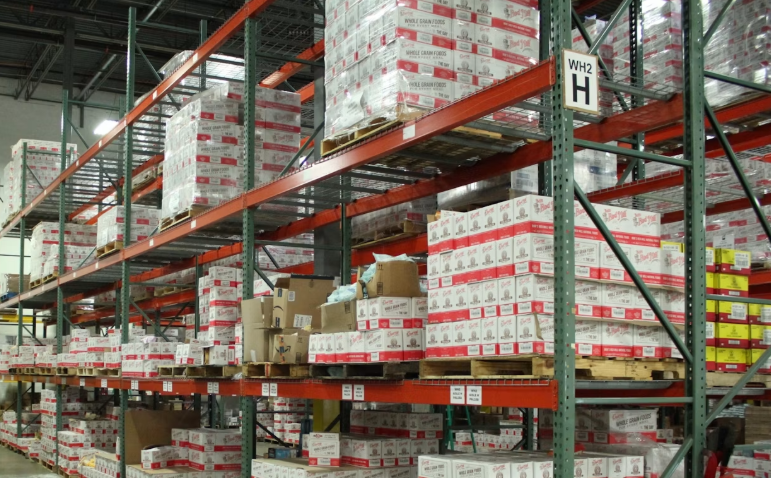
For any business that deals with physical products, whether you're manufacturing or selling retail, logistics are the core of your operation. A messy warehouse or stockroom isn't just untidy; it costs you time and money. Investing in good storage and handling equipment is one of the best ways to become more efficient. This includes things like industrial shelving, barcode scanners, and software to manage your inventory.
Even basic things, like how you move and store goods, can make a huge difference. Using standard items, such as industry-standard 48x40 pallets, means your goods can be moved, stacked, and shipped easily with forklifts and pallet jacks. This consistency prevents wasted space, reduces product damage, and speeds up loading and unloading. All of this directly helps your bottom line.
Embracing Automation for Repetitive Tasks
Many daily business tasks are repetitive, take a lot of time, and are prone to human error. This is where automation really helps. By investing in software or simple machines to handle these jobs, you allow your employees to focus on tasks that need critical thinking, creativity, and talking with customers.
Think about areas like customer communication or data entry. A Customer Relationship Management (CRM) system can automatically send follow-up emails and track client interactions, making sure no lead is missed. Similarly, accounting software can automate invoicing and tracking expenses.
Upgrading Your Digital Infrastructure
Today, almost every business relies on technology. Slow computers, an unreliable internet connection, or outdated software can cause constant, low-level frustration that stops productivity cold. Upgrading your digital setup is an investment in your whole team's efficiency.
This might mean switching to a fiber-optic internet provider, upgrading employee laptops, or moving your data to a secure cloud server. A faster network means less time waiting for files to load. Modern computers can handle demanding software without crashing. A reliable cloud service allows for smooth teamwork, whether your team is in the office or working remotely. Don't let old tech be the thing that holds your business back.
Investing in Ergonomic and Safe Workspaces
Equipment isn't just about what it produces; it's also about the people using it. An uncomfortable or unsafe work environment leads to distractions, tiredness, and even injuries. All of these hurt productivity and morale. Investing in ergonomics means investing in your team's well-being and how effective they are in the long run.
This includes items like supportive office chairs, adjustable standing desks, and proper monitor stands to prevent neck strain. In more physical workplaces, it means providing the right safety gear, anti-fatigue mats for employees who stand all day, and tools designed to reduce physical stress. A comfortable and safe employee is a focused and productive one.
Financing Your Equipment Wisely
Of course, buying new equipment costs money. It's important to approach these purchases with a clear financial plan. For bigger investments, you'll need to decide whether it's better to buy outright, lease, or get financing. Each choice affects your cash flow and balance sheet differently.
Before a large purchase, it's important to understand the benefits of buying new business equipment versus leasing it. Leasing often costs less upfront, while buying can offer tax benefits and ownership of the asset. Analyzing the return on investment (ROI) for each potential purchase will help you figure out which tools will give you the most value and how to get them without straining your finances.
The right equipment does more than just get a job done; it improves your entire business process. Looking strategically at your operations helps you pinpoint key investments that will help your company work smarter, not just harder.