
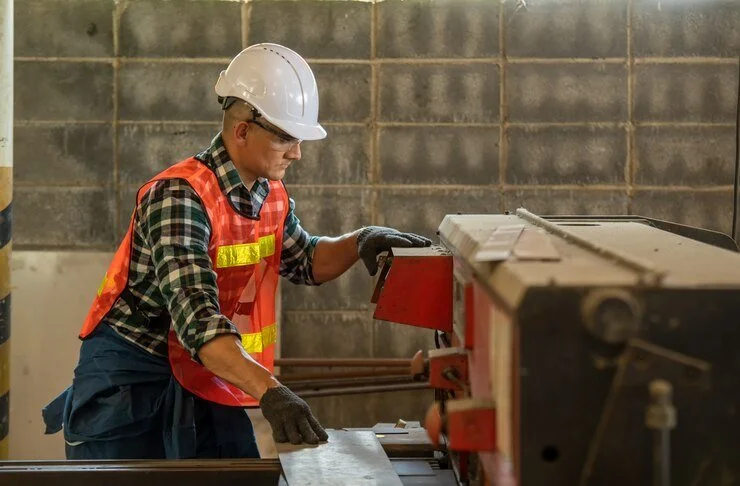

Die-cutting is a term used to mean the process of a machine or press cutting a given material into a specific shape. Generally, this machine is of different types available in the market.
There are the small hand-rolled die cutters used for cutting paper cut-outs or office supplies, and there are large industrial die cutters used for furniture or metals, rubbers, and plastics. Some factories even outsource their die cutting after proper planning is performed, which you can learn about here.
Die cutters make precise and scrap cuts, and there are no specific skills required to operate one. Let's find out where die-cutting is used.
Industrial use
Die-cutting is commonly used in factories. These die cutters are usually huge and are designed to cut steel and wood.
They are generally very precise and powerful and have minimal wastage. High-speed precision die cutting is used for several applications, including packaging labels insulating foams, optical films, creating gaskets, and others.
A typical application of high-speed precision die-cutting is mass-producing automotive and medical components and other industrial items with strict regulatory requirements. It can quickly create sophisticated products and maintain a high level of quality control.
Printing, carton, and cardboard packaging
Packaging supplies are made with die-cut fiberboard and cardboard. Not only product packaging but also cargo liner components, bookends, and envelope mailers. Die-cutting is a versatile way to accurately shape, cut, and print your packaging.
With die-cutting, you can easily repeatedly duplicate your results without making any errors. In addition to die-cutting being precise, it will also give your room for freedom with retail packaging.
Slitting and perforating
Die-cutting equipment is also used to perform slitting operations. In slitting jobs, a roll of material is first placed on a bobbin, spun, unwound, and then sheared into narrower sizes. In the case of perforating, the machine creates several extremely small strips or holes in sequence around a type of shape.
End users will then be able to tear it off without causing ruin to the actual product. Additionally, craft materials like paper are usually pressed repeatedly to form crease lines, leading to pre-folded shapes.
Rubber parts
You can use die-cut rubbers in the automotive industry. Die-cutting is also used to create several rubber parts like gasoline engine seals, rubber gaskets, etc.
Fibers and fabrics
Most fabrics and fiber can be easily die-cut. These textiles include clothing designs, interior decorations, and furniture making.
Plastic parts
You can use certain die-cuts in processing thin plastic sheets. These die-cut plastics are used for numerous products. Most manufacturers of plastic use die-cutting machines, hold-downs, and stiffeners.
Foam parts
Die-cutting machines are also efficient at processing foam parts. Die-cut foam is used in gaskets, automotive parts, rigid foam insulation, etc.
Conclusion
From manual and simple cutting to huge industrial services, die-cutting can be used in several processes. The most common application for die cutters is in the packaging industry.
But, there are also advanced die-cutting machines that you can find used in the custom paper creation industry, clothing design, automotive parts manufacturing, and more. Die cutters have several mechanisms, making them very versatile since they can do practically anything from thin sheets of paper to several metals.