
Image Credit: Unsplash
When you go to a huge music festival, a big trade show, or a city-wide marathon, you're seeing the result of a massive effort. All the lights, sounds, and excitement are built on a complex world of logistics. The smooth experience you have comes from months, sometimes years, of careful planning that covers every single detail. How well this behind-the-scenes work is done makes or breaks any large event, as logistics are critically important for creating a safe and memorable experience.
Planning for the Unexpected
Even the best plan can get thrown off by unexpected things. Professional event organizers create strong backup plans for everything, from bad weather to a main speaker canceling at the last minute. This means having extra suppliers ready, different traffic routes mapped out, and a clear chain of command for emergency messages. A key part of mastering event logistics is asking "what if" for every situation. What if a power generator stops working? What if someone has a medical emergency in a big crowd? Having solutions for these questions already decided is what keeps a small problem from becoming a huge disaster.
Powering the Production
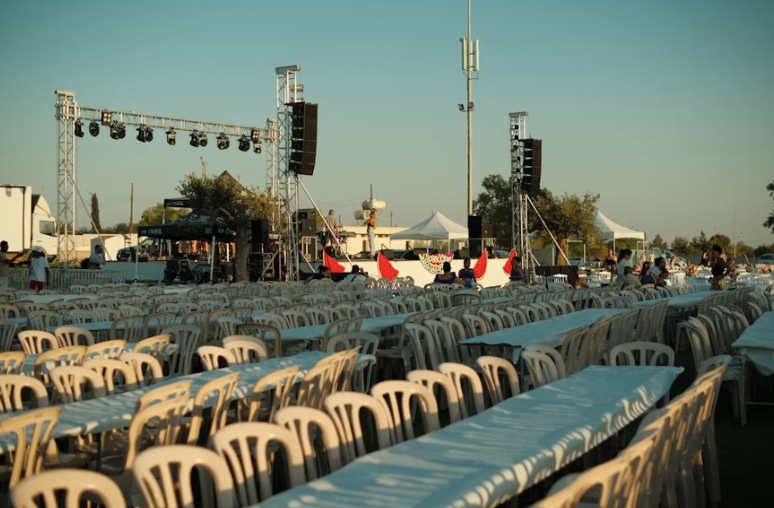
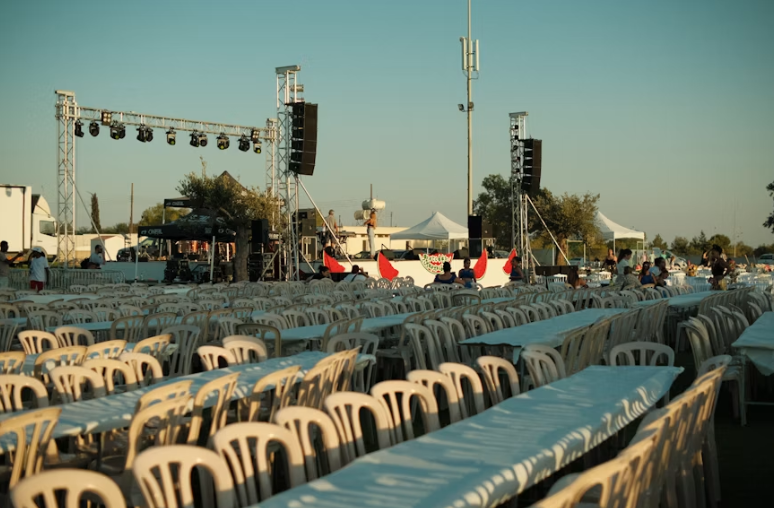
A big event is like a temporary city, and it needs a power system to match. Running the main stage sound systems, fancy lighting rigs, video walls, vendor booths, and command centers takes a huge amount of electricity. This means industrial-sized generators, miles of thick cables, and lots of power distribution units. A team of certified electricians spends days safely setting up this temporary grid, making sure everything gets steady power without overloading the system. Where the generators go is also a strategic choice, balancing easy access with keeping noise down for attendees.
Ensuring Comfort in Any Weather
Keeping attendees comfortable is super important, and the weather is the most unpredictable factor. For summer festivals, this means plenty of shade, free water stations, and cooling tents with fans or misters to prevent heat-related illnesses. For events in colder places or during in-between seasons, the challenge is keeping people warm. Large tents and semi-enclosed structures can block wind and rain, but they often need a safe way to heat them. Many organizers use industrial, high-output flameless heaters to warm these big spaces effectively without the dangers of open flames, making sure guests and staff stay comfortable.
Waste Management Challenges
A one-day event with 20,000 people can create several tons of trash. Managing all this is a big logistical challenge. It starts with putting hundreds of trash and recycling bins in smart, busy spots. But it doesn't stop there. A dedicated team has to constantly move around to empty overflowing bins and keep the grounds clean all day. After the event, a huge cleanup operation begins, often involving sorting materials for recycling and composting to lessen the event's environmental impact. This process needs careful coordination with local waste management services and a small army of staff.
Security and Crowd Control
Everyone's safety on site is the top priority. Crowd control is a science that involves designing the event layout to help people move smoothly and avoid dangerous bottlenecks. This includes planning clear, wide paths, using barriers to guide movement, and staffing entry and exit points to manage the flow. A visible but friendly security presence helps prevent problems and gives attendees easy places to go for help. Behind the scenes, a central command post watches the entire site, working with security staff on the ground and local emergency services like police and fire departments to respond quickly to any situation.
Ultimately, the magic of a great event isn't just what happens on stage. It's the result of a thousand invisible decisions and a huge logistical operation running smoothly in the background, letting everyone simply enjoy the experience.