
For builders, whether tackling small development projects or large-scale operations, it’s important to consider the types of materials that are being used in the construction of these properties.
Builders are finding themselves choosing steel over wood for modern construction and for many reasons. Whether that’s its superior strength and durability or its long-term cost-effectiveness. There are many ways in which steel reigns superior as a preferred choice in construction for modern builds.
In this guide, we’ll look at why more builders are choosing steel and what benefits it offers for construction. There will also be some useful tips for those who are looking to improve their building finishes in the future.
The benefits of using steel over wood in modern construction
So what has caused this shift to steel? What makes steel a better option than wood? Let’s take a look at how steel is an effective option when it comes to choosing the right materials for construction in 2026 and beyond.
Superior strength and durability
One of the main benefits of using an option like steel is due to its strength and durability as a material. With a higher strength-to-weight ratio than wood, it allows for larger open spaces as well as taller structures that need fewer supporting columns as a result.
Steel has many attributes that make it a premium material for construction. For example, it doesn’t warp, rot, crack, or split. It can better withstand extreme weather conditions, from high winds to heavy snow and earthquakes.
Resistance to pests and fire
Steel is non-combustible and isn’t susceptible to damage from pests, termites, mold, or fungal infections. This significantly improves its safety and the longevity that you’ll get from using this in building construction.
As a result of using such materials, it can lower insurance premiums for steel-framed properties, which is handy for those who are looking to save some money.
Faster construction times
Many steel components are prefabricated off-site. Made to precise specifications, it streamlines the assembly process whilst also significantly reducing on-site labor and construction time.
Being able to adhere to faster timelines in construction while retaining high-quality finishes appeals to many clients who are looking for quick turnarounds and quality workmanship.
Long-term cost-effectiveness
Long-term cost-effectiveness is important when it comes to how much value you get out of a material like steel.
While steel can be initially more expensive in cost than wood, the longevity and minimal maintenance that comes with steel, makes for a more cost-effective option over the life of the build.
Being able to get much value and long-term performance is something that many homeowners or business property owners look for, which is why it’s worth paying the extra for the sake of construction quality.
Sustainability and recyclability
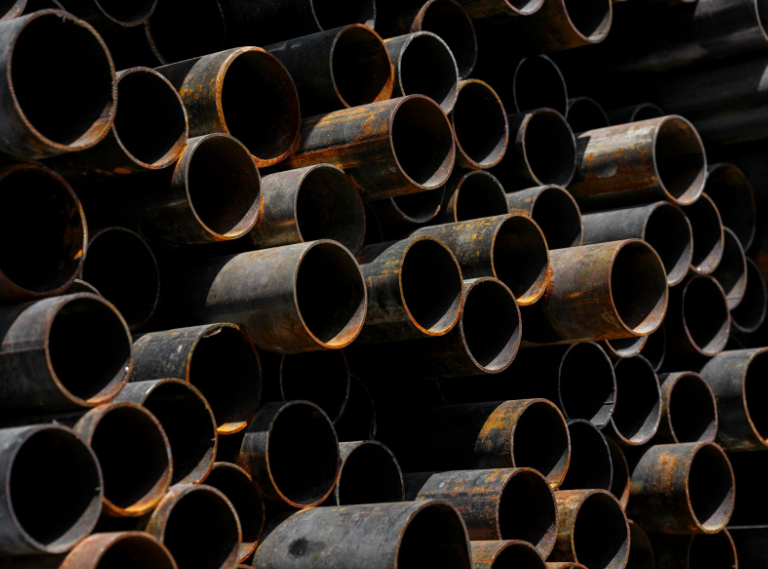
Many people are now more conscious about what they use and how they use it. That can be said for construction and the materials, too. Steel is a 100% recyclable material, which appeals to environmentally conscious builders or those working for clients who have a strong desire and need for more eco-efficient construction.
This contributes to reduced construction waste, which is only going to benefit the world’s health, even if it makes a small impact.
Flexibility in design
With its inherent strength and malleability, steel offers architects a greater deal of freedom in its design. Not just that, but it enables them to create innovative and complex structures, creating large spans and unique shapes that are simply not possible with timber alternatives.
How to improve future building finishes
For builders looking to improve their construction skills or those taking on building projects in the future, here are some of how you can improve these finishes.
Planning and design
The planning and design stage is an important one when it comes to improving its overall success and ensuring no delays occur in the process, or as few as possible.
Define clear objectives
It’s useful to establish the desired outcomes and performance expectations when it comes to aesthetics, maintenance, and durability. This ensures all parties are aligned with the expectations set.
Prioritize material selection
Material selection is certainly useful to prioritize, and so it’s good to look at choosing materials based on their durability, their lifecycle cost, and suitability for the local climate and its specific use. Rather than just going off the initial price.
Plan for maintenance access
A lot of properties won’t have simple entry and exits, although that would often be much appreciated by those working on the property. With that being said, it’s good to design the building with future maintenance in mind, so that any easy access can be achieved for plumbing purposes, electrical wiring, and exterior surfaces for repairs and cleaning.
Incorporate sustainable design
By integrating passive design solutions and using sustainable materials like steel, it helps to improve energy efficiency, enhance the building’s longevity, and rreduce unning costs as mentioned above.
Execution and quality control
During construction, it’s important to make sure quality control remains at every touch point so that the building work is executed effectively.
Hire qualified professionals
Engaging with the very best in architects, skilled tradespeople, and contractors will help achieve the best in high-quality finishes. It’s expertise that’s invaluable, especially when handling a home development project with no experience or little experience yourself.
Ensure proper surface preparation
Regardless of the finish type, it’s important that thorough preparation is paramount for a smooth and long-lasting finish. From cleaning to sanding and priming, it’s all imperative to do.
Follow manufacturer guidelines
Adhering strictly to the application processes and drying times is incredibly important. Taking shortcuts can impact the quality and durability of what you’re applying or constructing.
Implement robust quality control
Robust quality control is important to implement, so regular inspections and testing should be factored in to help protect against any deviations from quality standards early on, as well as implementing corrective measures promptly.
Post-completion phase
Finally, you’ll want to make sure a post-completion inspection and maintenance plan is established. These are important parts of the process after completion has occurred. From detailed snagging inspections with contractors to establishing regular and scheduled maintenance.
Builders are choosing steel, and there are many obviousreasons why it serves as a popular construction material to consider for your next building project of any kind.