
Image Credit: Pexels

Heavy industry is finding fresh value in equipment that once would have been written off. Instead of automatically replacing worn machinery, operators and maintenance teams are assessing which components can be repaired, rebuilt or returned to service. This circular engineering model can reduce material demand, shorten equipment downtime and protect capital budgets.
The shift also changes how businesses plan maintenance. Component condition, service history, and parts availability now influence purchasing decisions alongside the upfront price.
Moving Past the Disposable Mindset
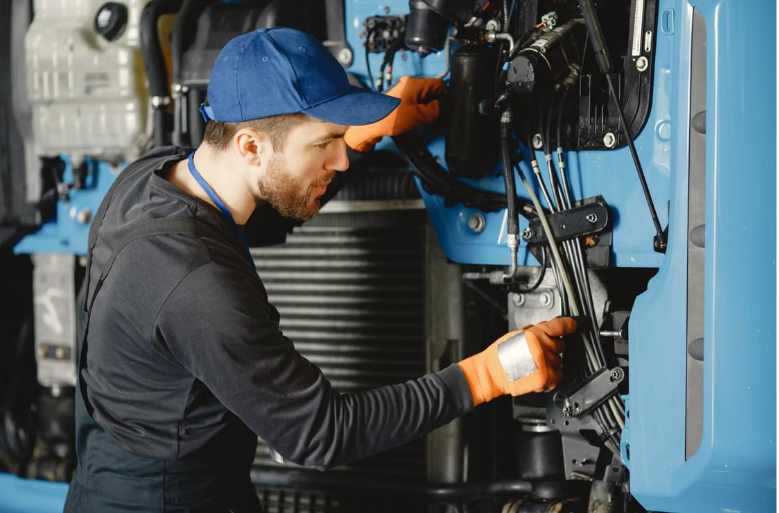
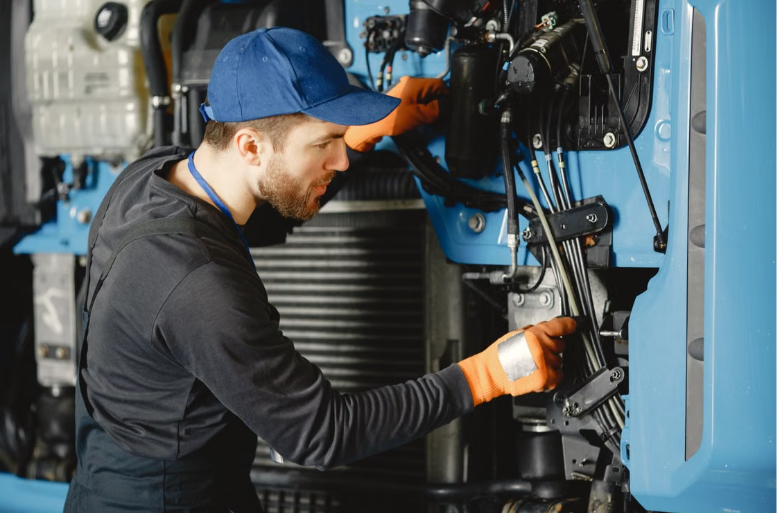
A disposable maintenance model treats a failed component as waste and orders a new replacement. Circular engineering starts with inspection. Technicians examine wear patterns, contamination, seals, housings and internal surfaces to determine whether a component retains enough structural integrity for restoration.
Regular servicing also helps businesses identify wear before it develops into a more serious failure. These equipment maintenance practices can help extend the useful life of machinery and reduce avoidable replacement costs.
The growing demand for reuse and repair reflects the practical pressures facing manufacturers and equipment operators. Supply delays and volatile input costs make repair capability commercially valuable.
Businesses can support this model by recording component hours, failure symptoms and previous work. Accurate records help technicians identify recurring issues and determine when repair remains economical. A planned inspection during scheduled downtime also gives the team more options than an emergency response after complete failure.
Hydraulic Component Restoration
Hydraulic systems are well suited to circular engineering because many high-value components contain serviceable internal parts. A restoration may include disassembly, cleaning, dimensional measurement and replacement of worn bearings, seals or rotating groups. The housing can return to service if inspection confirms that it remains within specification.
Industry discussion around fluid power circularity also highlights the value of maintenance, remanufacturing and longer product life.
Quality control matters throughout the process. Operators should ask whether a workshop tests pressure, flow and leakage after assembly and whether the work includes traceable inspection results. Contamination must also be addressed. Installing a restored motor into a dirty circuit can quickly damage the component again, so hoses, filters and hydraulic fluid should be checked before recommissioning.
Sourcing Specialist Replacement Drivelines
Repair won't suit every failure. Cracked housings, extensive internal damage or unavailable core parts can make replacement the more practical option. In these cases, accurate identification prevents costly ordering errors. Record the machine model, serial number, component plate details and mounting configuration before contacting a supplier.
When a replacement or refurbished hydraulic component is needed, an aftermarket final drive supplier can help machinery operators source final drives, hydraulic motors, swing motors and related parts. Available options may include new aftermarket units and refurbished original-equipment components, depending on the machinery and part required. Confirm the exact fitment with the supplier before ordering, using the machine's model, serial number and existing component details.
Compare total costs instead of looking only at the quoted price. Freight time, installation work, warranty terms and expected service life all affect value. Keep photographs and measurements with the machine’s maintenance file to make future sourcing faster.
Environmental Gains in Component Reuse
Reusing a sound housing or restoring an assembly preserves much of the material and manufacturing effort already invested in it. That can reduce demand for newly processed metals, long-distance freight and energy-intensive production. The exact savings vary by component, repair scope and transport distance, so businesses should avoid broad environmental claims without supporting records.
Simple measurement makes circular engineering more credible. Track how many components are restored, the mass of material kept in service and the operating hours achieved after repair. It also helps to record repeat failures, since a poor-quality rebuild that needs early replacement provides little environmental or financial benefit.
Procurement teams can add repairability, parts availability and expected service life to supplier assessments. Those criteria reward equipment that can remain productive through several maintenance cycles.
Circular engineering becomes most valuable when it forms part of routine asset management. A labelled failed component, a clean maintenance record and an early technical assessment can turn an apparent write-off into a controlled repair decision. For heavy industry, that means more value from existing assets and fewer surprises when essential machinery stops.