
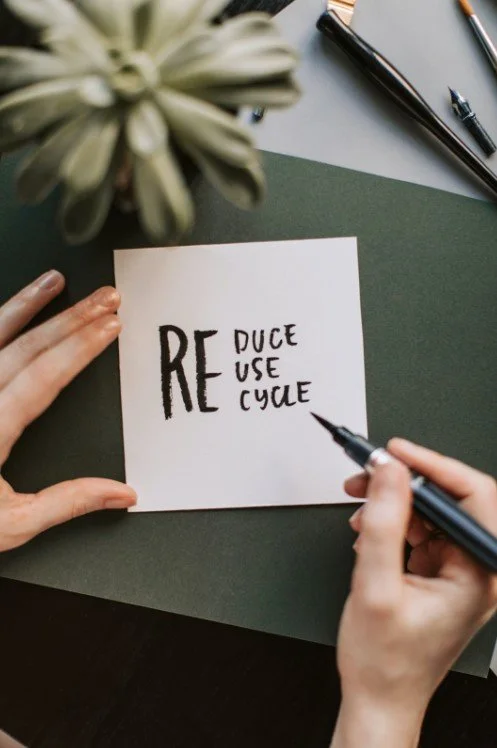
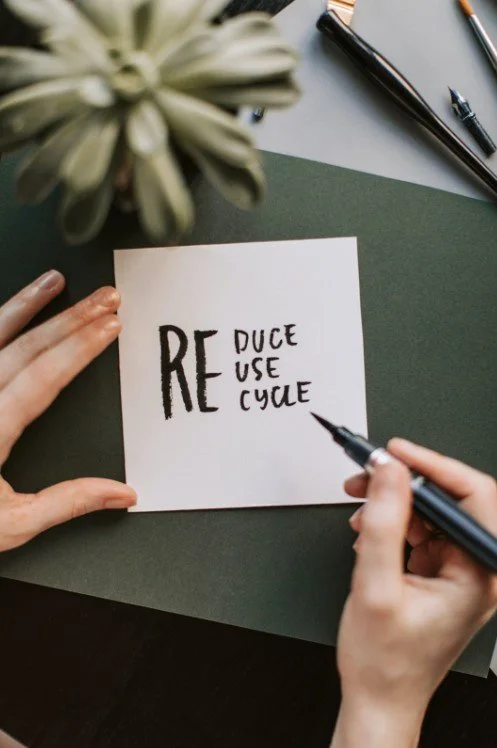
Keeping a business green and eco-friendly is no easy task. But it’s essential, especially when you want to stand out from the competition. To that end, businesses need to consider reducing their environmental impact while remaining profitable. Working in an industry almost always means working with certain materials regularly. Some of these materials are not good for the environment or have other properties that make them bad for business (and the planet). These include general office waste, plastic, cardboard, and more. Understanding how to recycle your business waste and keep your business green simultaneously can help you save money, protect the environment and improve your company’s image.
Disposing of Waste Responsibly
When disposing of waste from your business, you need to be mindful of the environmental impact. If you are not careful, you can end up costing the environment more than you are helping it with your disposal methods. For example, waste disposal by throwing it in a landfill can create greenhouse gases that contribute to climate change. This can also cause other pollution issues. On the other hand, if you are not disposing of waste responsibly or responsibly recycling your waste materials, you can also violate waste disposal regulations. This can lead to fines and even potential shutdowns in some cases. Before you dispose of any waste materials, check your local laws. Every city or state will have different rules on what you can and cannot do regarding waste disposal. If you are unsure how to dispose of a particular item, it’s best to contact your city’s waste management department. They will be able to let you know how to best dispose of it.
Recycling Office Waste
Regarding office waste, one of the most common items generated is paper. While the paper is useful and has many valuable uses, it’s not something that can go in a regular compost pile. In fact, most paper products are not suitable for composting at all. There are a few different ways you can recycle office waste paper. One of the most common is to take the paper to a recycling center, where you can drop it off and have it recycled. These are often found in cities or towns as part of a city-wide waste management system. If the paper contains sensitive information, you might need to use a secure shredding company, such as Total Secure Shredding, to retain confidentiality and follow data protection laws. Another option is to switch to a fully digital way of working to reduce the need to use paper altogether.
Recycling Plastic and Cardboard
Plastic and cardboard are two of the most common items that businesses generate. They’re also two items that are easy to recycle. Most cities have a system in place for companies that allows you to recycle cardboard. The same can be applied to recycling plastic too. Alternatively, you can partner with suppliers actively working to reduce their own plastic usage, meaning you can reduce the amount of plastic coming into our business.
Recycle Electronic Waste Responsibly
As mentioned above, many businesses generate a lot of electronic waste. This includes computers and computer equipment, cell phones, batteries, and more. This is one area where it’s essential to be careful. You don’t want to put things like lithium-ion batteries into your compost as this can cause health issues for gardeners and others who work with compost. Electronic waste is a massive problem for the environment and people who live near where it is disposed of. If you don’t take the proper steps when recycling electronic waste, you can cause severe health and environmental issues. Find electronic recycling services in your local area to ensure your electronic waste is disposed of correctly.
Conclusion
To keep your business green, it’s important to recycle your waste. This can help you save money, protect the environment and improve your company’s image. Before you dispose of waste materials, check your local laws. Every city or state will have different rules on what you can and cannot do regarding waste disposal. It is essential to dispose of waste responsibly to protect the environment and the people living nearby.