
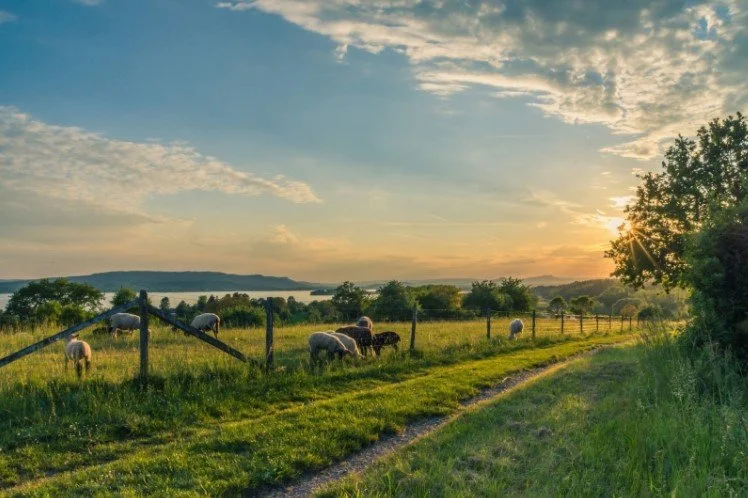
If you're the kind of person who despises working a standard 9 to 5 job in an office and wants to start your own company, have you considered agriculture? It isn't typically the first thing that comes to mind when people are searching for business options, but many people discover that it is a good match for them. You can work outdoors in beautiful rural settings and never have to enter an office again.
However, beginning an agricultural company might well be difficult, and the market is undergoing significant upheaval at the moment, so you must proceed with caution. If you believe an agriculture business could be right for you, here's everything you'll need to get started.
A Niche
Many people underestimate the difficulty of narrowing down their target market to a precise subset of the population. You need to consider the crops you want to plant and the animals you want to nurture on your farm, for example. The demand for specific items and how you plan to market them are important considerations that must come into your business plan.
It's not a great time to establish a cow farm since livestock demand is declining while an increasing number of people are eating plant-based diets. For crops, you must also take into account the demand for the specific types of food wherever you are based, plus where you will sell the goods. In the absence of a market, how will you sell food and produce? Make sure you complete your research before deciding on a specialty for your new company venture. The right one is out there; you just need to focus on finding it before you rush in and try to get started.
Land
The next step is to choose a piece of land to build your dream agricultural business on. Make sure you thoroughly examine the soil before deciding to buy the land and get an expert to help you if need be.
Remember, the land you acquire has to be suitable for whatever niche you have chosen, and if you don't do your homework, you may find that it's not ideal for the crops you wish to cultivate. This will put you in a difficult position. In the worst-case scenario, you may not be able to grow or raise anything. If you're going to be keeping animals, you'll want to make sure you have adequate room for them; in many places, this is a legal requirement, so again, work out how much space you'll need before you agree to buy anything as this could have a serious impact on your plans.
Equipment
Finally, you'll need some agricultural equipment to get the job done in the right way. People commonly underestimate the amount of equipment they'll require and the initial expenses, so it's wise to budget properly. Consider purchasing second-hand to save money while you're just getting started, and see if outsourcing your agricultural cleaning is worthwhile too – it will cost you initially, but the time it will save you could make the difference between success and failure.
The type of equipment you'll need depends on the scale and type of work you're doing, but there are a few essentials worth noting. Tractors are a must-have for most jobs, while attachments like ploughs, seed drills, and sprayers help you prepare the soil, plant efficiently, and protect crops. Balers and harvesters are important for larger operations, especially if you're growing grains or hay. You might also need irrigation systems, loaders, or fencing tools, depending on the layout of your land. Each of these tools plays a vital role in keeping things running smoothly and cutting down on manual labour.
You'll also need to think about the electrical components that make your equipment reliable and safe to use. That's where panel-mount and PC board switches come in - they help control power flow and ensure your machines operate the way they should. These switches are often built into control panels and dashboards, making them easy to access when you need to turn something on or off quickly. Whether you're managing lighting, ignition, or any auxiliary systems, reliable switches are a small but crucial part of your setup. Don't overlook them - a high-quality switch can save you from big issues later on.
By getting the right equipment and understanding the small details like your electrical setup, you're building a strong foundation for success. A little preparation now can save you time, money, and headaches in the future.