
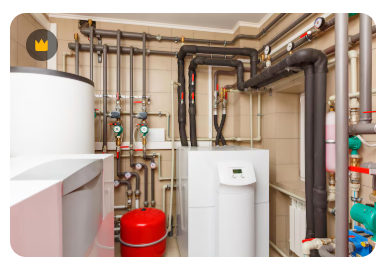
Boilers keep big places steady and warm. Schools, gyms, offices, and pools all rely on them every single day. When the heat drops, classes pause, showers go cold, and work slows. A service visit stops that mess before it starts. It’s a health check that catches small faults early, keeps gas use under control, and makes the building safer for everyone.
Here’s how a real visit runs, step by step, without fancy talk. The goal is simple: clean flame, good water flow, safe parts, and smart controls. When those four things work together, the boiler does its job and fades into the background, which is perfect. No drama. No sudden alarms. Just quiet, steady heat.

Freepix
First steps in the plant room
Techs start by looking, listening, and making the area safe. The boiler is shut down and locked out so nothing starts by mistake. The room gets a quick scan. Clear floor? Good air coming in? Nothing blocking the flue path to the roof? Any dark marks near joints that hint at leaks? Even this first check matters. Boilers breathe. If air can’t get in or exhaust can’t get out, the flame won’t stay clean.
Safety gear that stops real danger
Next comes the safety layer. Pressure relief valves must open if pressure climbs too high. Level and flow switches need to react fast when water drops or stops moving. Gas valves must slam shut if the flame goes out or power cuts. Sensors watch temperature and pressure so the boiler never drifts into a risky zone. Each part gets tested, not just glanced at. A weak spring, a sticky switch, or a tired sensor can turn a normal day into an emergency. Fixes happen on the spot when possible.
Cleaning that saves gas
Heat should move from flame to water with almost no resistance. Soot and scale get in the way. Techs open the heat exchanger and brush out soot. On condensing models, thin fins collect damp deposits, so those get cleared too. The burner face is cleaned so gas and air mix the way the maker planned. Condensate traps are washed and primed so the water drains as it should. A clean path means less fuel for the same heat. That saves money without changing how the building feels.
Tuning the flame with simple tests
A probe goes in the flue to read the exhaust. The meter shows oxygen, carbon dioxide, and trace carbon monoxide. Those numbers tell the story of the flame. If the mix is off, the boiler wastes gas or makes too much CO. Adjustments bring air and fuel into balance. Large burners get checked at low, mid, and high fire so the flame stays right at every level. When the readings hit the sweet spot, the burn is clean and steady, and bills stop creeping up for no reason.
When it comes down to it, having a crew that knows local rules and weather helps a lot—so finding a company offering a Commercial Boiler Service Canberra, or wherever else you’re based, can get you the kind of support that keeps this tuning fast and consistent.
Pumps, water, and steady flow
Hot water only works when it moves. Pumps push it through pipes, coils, and radiators. Techs listen for bearing noise, check seals for drips, and read motor amps to see if a pump is straining. Isolation valves get turned so they don’t seize. Mixing or control valves that blend supply and return water are tested. Good flow means rooms warm up quickly and hold their set point without bouncing.
Water quality that doesn’t bite back
Water can damage gear over time. In closed loops, pH and inhibitor levels matter. If water turns corrosive or hard, metal parts wear out and scale builds inside the exchanger. That forces the burner to work harder for the same output. For hot water used by people—taps and showers—temperatures are checked to keep users safe and to prevent bacteria from growing. These aren’t random chores. They protect the system and everyone using it.
Smart controls and clear logs
Modern boilers don’t run on guesswork. Controls decide when to start, how hard to fire, and when to rest. Schedules are checked so heat lines up with real building hours. Day and night set points are confirmed. Outdoor sensors trim firing on mild days so energy isn’t wasted. Fault logs are read, and old errors are cleared after fixes so new alerts stand out. If a sensor reads wrong, the whole system chases the wrong goal, so each sensor gets verified with a trusted meter.
Fuel supply and fresh air
Burners need steady gas pressure and clean air to stay healthy. Inlet pressure is checked with the boiler off and on. If the number falls too far at high fire, the line may be undersized or a regulator may be fading. Flexible hoses and unions are inspected for age cracks. Air grilles and louvres are cleared so the room can breathe. With solid fuel supply and clean air, the flame keeps its shape and no one smells combustion in the plant room.
The final fire test
After cleaning and tuning, the boiler is brought back online. Fans start, the spark lights, the flame proves, and pumps spin up. Temperatures rise across the exchanger the way they should. Flue readings match the target. Control valves respond. Alarms stay quiet. Any tiny leaks spotted earlier get tightened and wiped down. The plant is left ready to serve, not just switched “on.”
Paperwork that actually helps
A good service ends with a report that means something. Readings are written down. Parts changed are listed. The date for the next visit is clear. Notes highlight items to watch, maybe a noisy pump or a valve that felt stiff. This record saves time next season and helps with audits. It’s proof of safe operation and makes choices about repairs or upgrades easier.
Simple prep that speeds things up
Sites can help a lot with small steps. Keep clear space around the units. Make sure keys and access details are ready. Tell staff there may be short heat pauses during tests. If possible, schedule visits in milder weather so no one feels a chill. These small moves let the techs focus on doing quality work instead of chasing doors and ladders.
Spotting trouble between visits
Eyes and ears in the building catch early signs. A new thump, whine, or rushing sound can point to air in pipes or a pump issue. Short bursts where the burner keeps starting and stopping hint at control or sizing problems. Dark smudges near the flue or a strange smell mean the exhaust path needs a look. Rooms that can’t hit set point or hot water that swings up and down show that flow or valves need attention. Report these fast. Small fixes beat big repairs every time.
Repair or replace? Making a smart call
Most boilers last a long time with regular care. Replacing seals, cleaning burners, and swapping a sensor costs far less than buying new. But some signs point toward change. A cracked heat exchanger, no longer available spare parts, or rising downtime can make replacement the better move. When a system runs every day and the meter shows heavy use, a modern high-efficiency unit can pay for itself through lower bills. Service reports and fuel records help make this decision with facts, not guesses.
What a healthy site feels like
In a healthy site, heat feels calm. Classrooms, rooms, and halls reach temperature and stay there. Showers stay steady. The plant room sounds smooth. Energy bills don’t spike without cause. Staff know where the last report is and when the next check is due. The boiler fades into the background and life carries on. That’s the win.
Key takeaways and next steps
Regular service keeps people safe, heat steady, and costs under control. Cleaning, tuning, safety checks, and smart control settings work together to cut risk and save fuel. Keep access clear, note any strange noises or smells, and log changes on a simple sheet so small issues don’t get missed. If a building has special needs—a pool, long hours, or lots of showers—share those details during booking so the visit covers them. Questions about readings or set points are worth asking on the day. Clear answers now mean fewer surprises later and a warmer, more reliable season ahead.