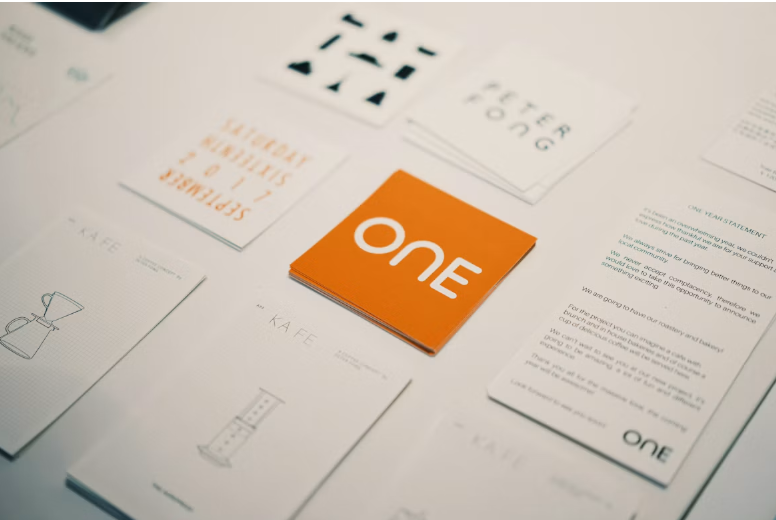
A strong digital brand campaign connects a clear business goal with creative work people can recognize and remember. That takes more than publishing attractive graphics across several channels. Every message, visual, and interaction needs to express the same central idea while giving the audience a useful reason to pay attention.
Artificial intelligence is changing how event teams plan, deliver and assess conferences, summits and corporate meetings. Used carefully, it can reduce repetitive admin, highlight attendee preferences and alert organisers to emerging problems. The strongest results come when teams give AI a focused task, maintain human oversight and protect the information attendees share. This creates more time for the work that still depends on judgement, creativity and personal interaction.
Clear, well-placed signs help event guests find entrances, activities, and services without repeatedly asking staff for directions. They also give organizers more opportunities to reinforce a visual identity across a venue. For outdoor festivals, community gatherings and corporate events, effective signage needs to be readable from a distance and durable enough to remain useful throughout the day. A practical sign plan starts with the guest’s route, from arrival through departure, then assigns a clear purpose to every banner, panel, and digital display.
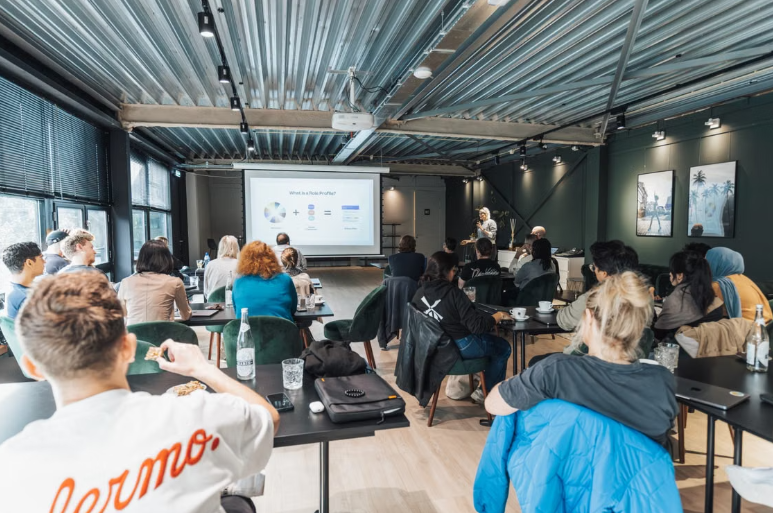
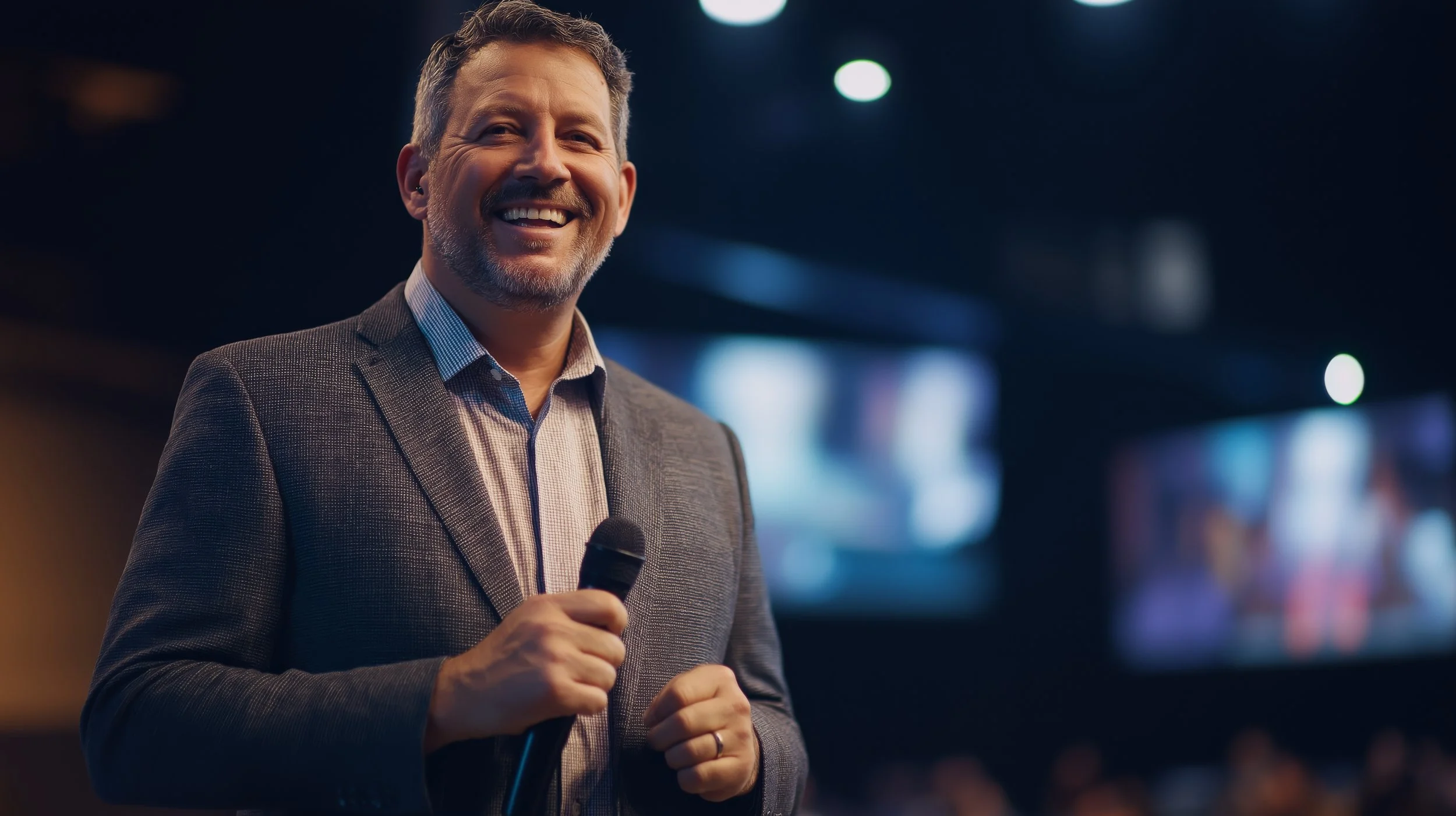
Imagine it's 2:15pm on the second day of a three-day conference, and half the seats are empty. The audience is checking their watches, staring blankly out the window, or burying their head in the phone. The morning machine gun of panels and breakouts has ground attention spans to dust. It is a scene an event producer would want to avoid. The instinct is to blame the audience - they didn't get enough sleep, they're not morning people, they didn't bother to read the program guide to realize how important this session on retirement planning is. A tired, bored or distracted audience is a reason to review the design of the event. Speaker choice and pacing are useful places to start.
Every brand today acts like a publisher, but not all of them get heard. In the race for attention, businesses across all sectors have flooded the internet with content, creating a constant barrage of information. From blog posts and social media updates to emails and video ads, consumers are bombarded with messages from the moment they wake up. This digital noise makes it incredibly difficult for any single voice to stand out.
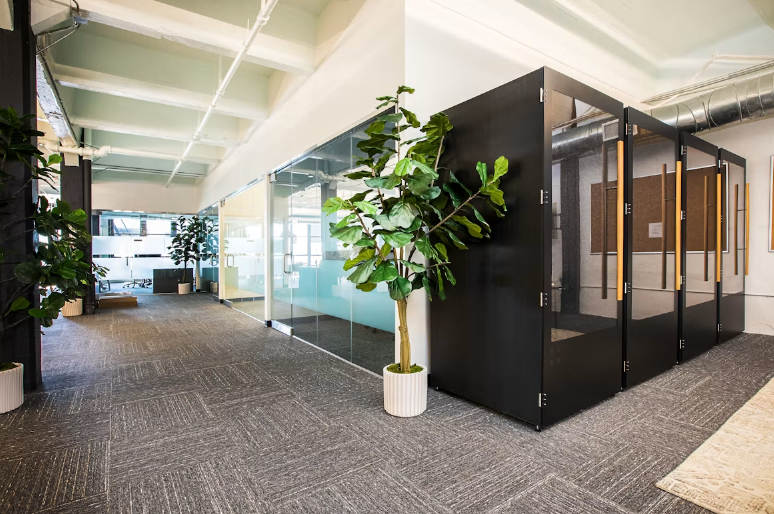
The old-school office with just cubicles and desks? That's ancient history! Today, smart companies get that their physical workspace is a super powerful tool. It's not just about looking good; it's about making employees feel great, which naturally leads to more engagement, better ideas, and top-notch performance. Designing an office isn't just about cramming in as many desks as possible anymore; it's about building a place where people feel supported, comfy, and genuinely inspired to do their best work.
This means we're now looking at the office through a people-first lens. We're thinking about everything from how good the air is and the kind of lighting, to how people chat and even get a mental break. When you put your team's health and happiness first, you're really investing directly in the success and strength of your whole company.
The energy of a live concert or the roar of a stadium crowd is an unforgettable experience. But what truly elevates an event from good to great are the details surrounding the main attraction. Today’s most successful events understand that the fan experience begins the moment someone walks through the gates and continues long after they’ve left. It’s about creating an immersive environment that engages all the senses, making attendees feel like part of something special. By focusing on ambiance, interaction, and visual storytelling, event organizers can build a loyal following that returns year after year.
The way we interact with local services has changed completely. Getting a ride across town or having your favorite meal delivered now happens with a few taps on a screen, something that used to feel like a luxury. This shift goes far beyond simple ordering apps. A quiet tech revolution is reshaping everything, from how your lawn gets mowed to how your home's air conditioning is repaired. It’s a wave of smart systems, automation, and digital tools that are making everyday services more efficient, reliable, and personal than ever before. For customers, this means better service. For local businesses, it means a new way to operate and grow.
Artificial intelligence is quietly becoming one of the most powerful tools in the global effort toward sustainability. While we often think of AI in terms of complex data centers or futuristic robots, its real-world impact is growing in environmental science, resource management, and green manufacturing. This smart technology is moving beyond simple automation to actively help us build a more sustainable future. It does this by optimizing processes, cutting down on waste, and even discovering new eco-friendly materials. It's a digital revolution that's fundamentally changing how we approach our planet's biggest challenges.
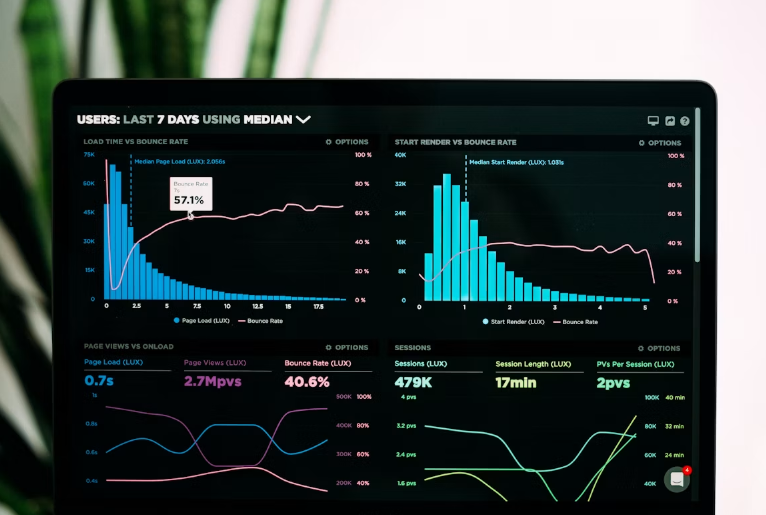
Your brand's story is playing out across a dozen different digital stages, whether you're actively directing it or not. This is a key point about better digital content's importance. From your e-commerce site to your social media profiles and third-party marketplaces, customers build their picture of your business from all these different places. When your message is consistent and clear, it builds trust and recognition. But if it's jumbled and contradictory, it just creates confusion and can scare off potential customers. Creating a single, unified story isn't just a nice extra anymore; it's a basic part of running a modern business.
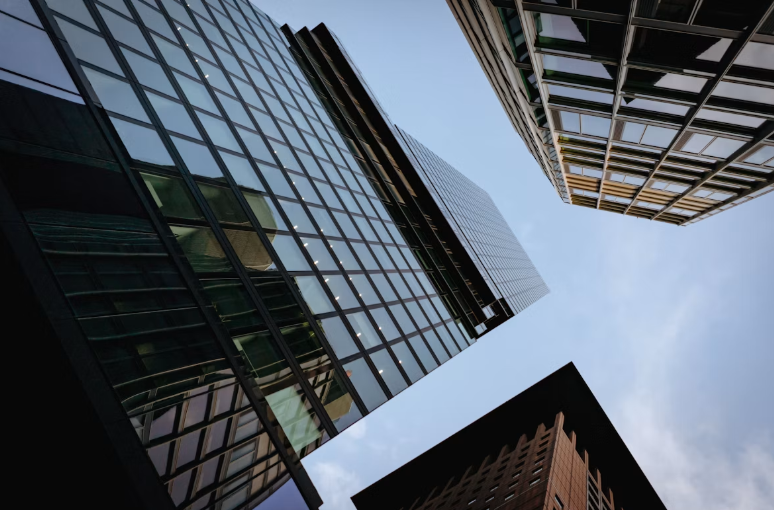
A new business facility is one of the biggest investments a company can make. But just looking at the upfront price tag is a common, and often expensive, mistake. Really managing costs for today's facilities means taking a wider view, accounting for every expense from the moment you break ground to daily operations. When businesses shift their focus from initial savings to long-term value, they can create spaces that are not only affordable to build but also efficient to run for years. This approach protects your bottom line and turns your physical space into a strategic advantage.
The way businesses connect with their customers has definitely shifted into the digital world. Every single interaction, from a quick question to a complicated support request, now creates data that shapes how customers see a brand.
This digital change isn't just about launching an app or a chatbot; it's about completely rethinking how service works when speed, personalization, and consistency are everything. Companies that don't keep up with this new reality risk falling behind.
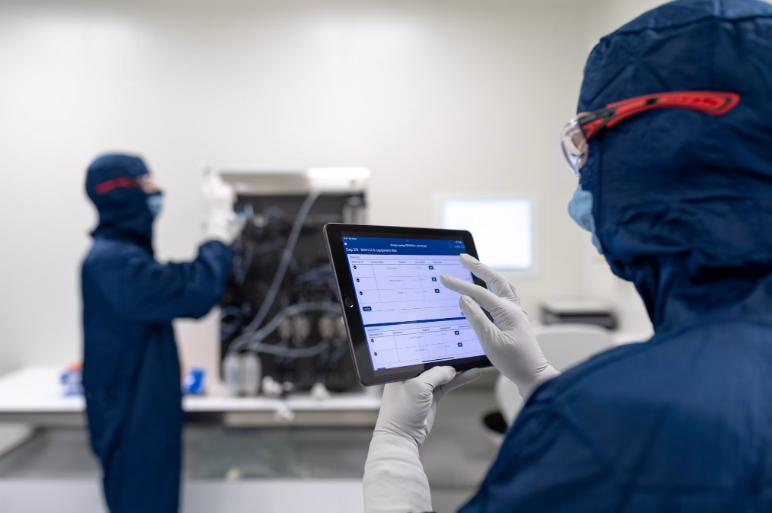
Running a hospital, clinic, or diagnostic lab means constantly balancing different needs. On one hand, the goal is to provide the best patient care using precise, reliable technology. On the other, these organizations are businesses that must manage tight budgets, control costs, and stay financially sound. This ongoing tension between cutting-edge care and financial reality defines modern healthcare, even as technology aids advancement.
Successfully managing these operations means making smart, strategic decisions that benefit both patients and the bottom line. It’s more than buying the latest equipment; it's about investing in solutions that deliver long-term value, efficiency, and accuracy.
Think back to the best event you’ve ever been to. What do you remember most? It’s probably more than just the main performance or the headline speaker. It’s the vibe, the crowd’s energy, and that feeling of being part of something special. This doesn’t happen by accident. It’s all thanks to strong event branding – a smart process that turns a simple gathering into a memorable experience, connecting with people on a deeper level.
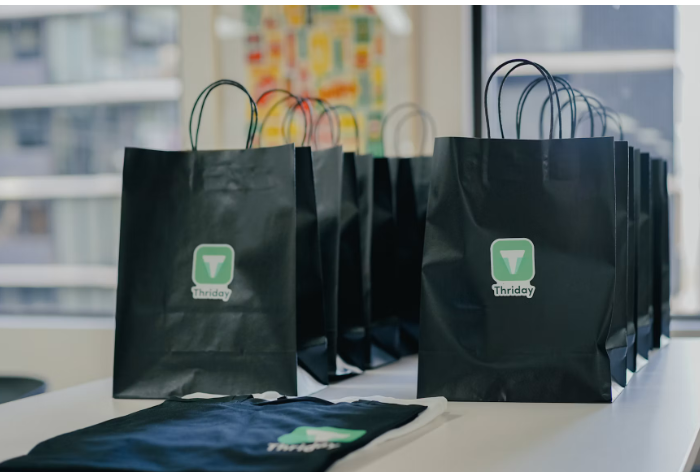
Anyone who's been to a tech conference knows the drill: you head home with a tote bag overflowing with branded pens, flimsy USB drives, and more stress balls than you could ever possibly need. The idea is to keep a brand top-of-mind, but most of this generic stuff just ends up forgotten in a desk drawer or, more likely, in the trash. It's time for a smarter approach.
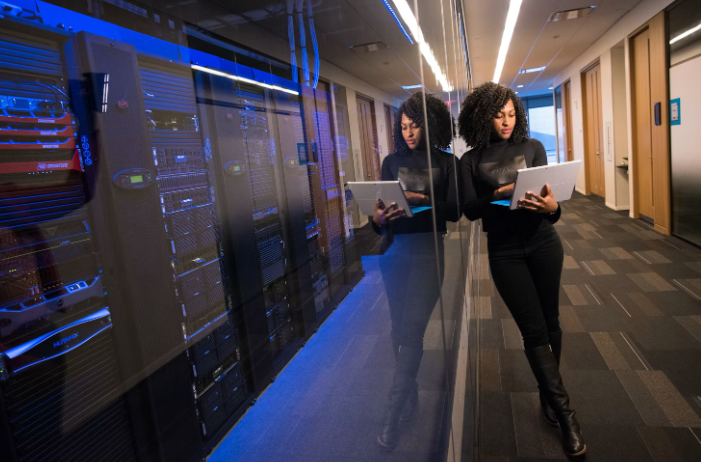
For many businesses, the IT department only gets a call when something’s already broken. A crashed server, a forgotten password, or a computer that won't connect to the network are the classic reasons people call IT support. This "break-fix" model is common, but it’s an outdated and costly way to manage your technology. In a world where digital operations are the backbone of your business, waiting for things to fail just isn't a viable strategy anymore. It’s time to switch from reacting to problems to preventing them.
In today's business world, technology drives everything, from how we connect with customers to how efficiently we operate. But many companies still approach hiring for their tech teams with a reactive, checklist-based mindset that just doesn't cut it anymore.
To truly succeed, your business needs a thoughtful and strategic hiring plan that treats IT talent acquisition as a core business function, not just another HR task.
The rise of the creator economy shows just how powerful a personal brand can be for business. Platforms like OnlyFans have opened up new ways for entrepreneurs to connect directly with their audience and build profitable ventures. But many aspiring creators underestimate what it really takes to succeed. They see the finished content, but miss the massive operational engine running behind the scenes.
A recording studio, art gallery, or design workshop is more than just a business. It's a sanctuary for ideas, a vault for expensive equipment, and home to one-of-a-kind projects. Losing a laptop from a standard office is an inconvenience. But if a hard drive with a band's unreleased album or a painter's digital portfolio gets stolen, that's a catastrophe. Protecting these unique environments means thinking about security in a way that goes far beyond a simple deadbolt on the door.
A strong sales team is what drives business growth. When your sales force is performing at its best, revenue goes up, customer relationships get stronger, and your company gains momentum. But a high-performing team doesn't just appear out of nowhere. It's built through careful planning, continuous development, and smart leadership. While there are many practical strategies to improve sales performance, they all rely on having a solid foundation.