
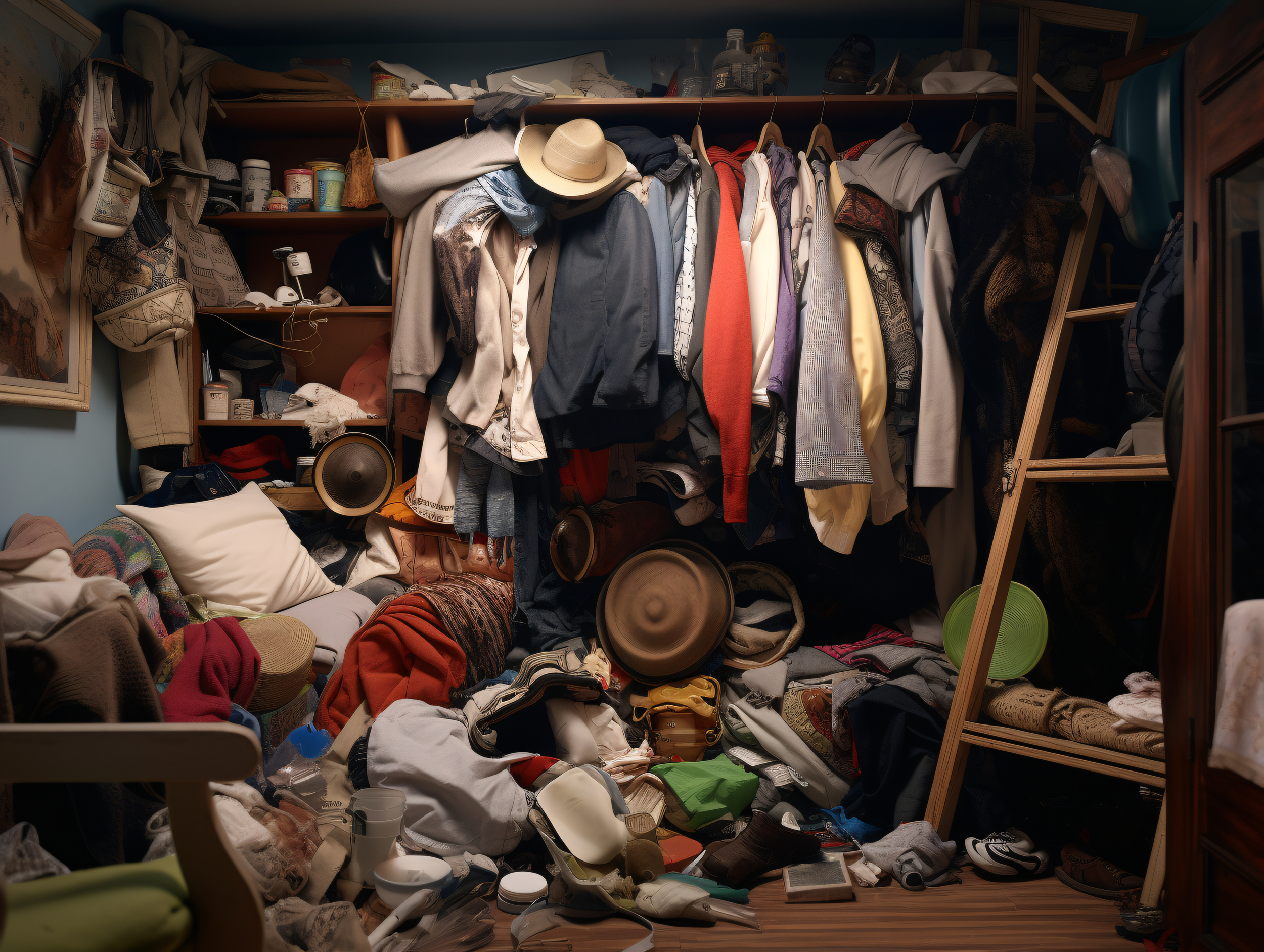
Ever looked around and thought, “How did all this stuff even get here?” One day the house feels fine, and the next there’s barely space to move. Drawers are packed, the garage is overflowing, and finding one clean corner feels impossible. It happens faster than most people expect, and once the mess takes over, it can feel way too big to deal with.
The good news? Clearing it out doesn’t need to be this big, stressful mission. There are ways to get things back under control that don’t require an entire weekend or a meltdown. It just takes the right mindset, a few smart moves, and a little help in the right places.
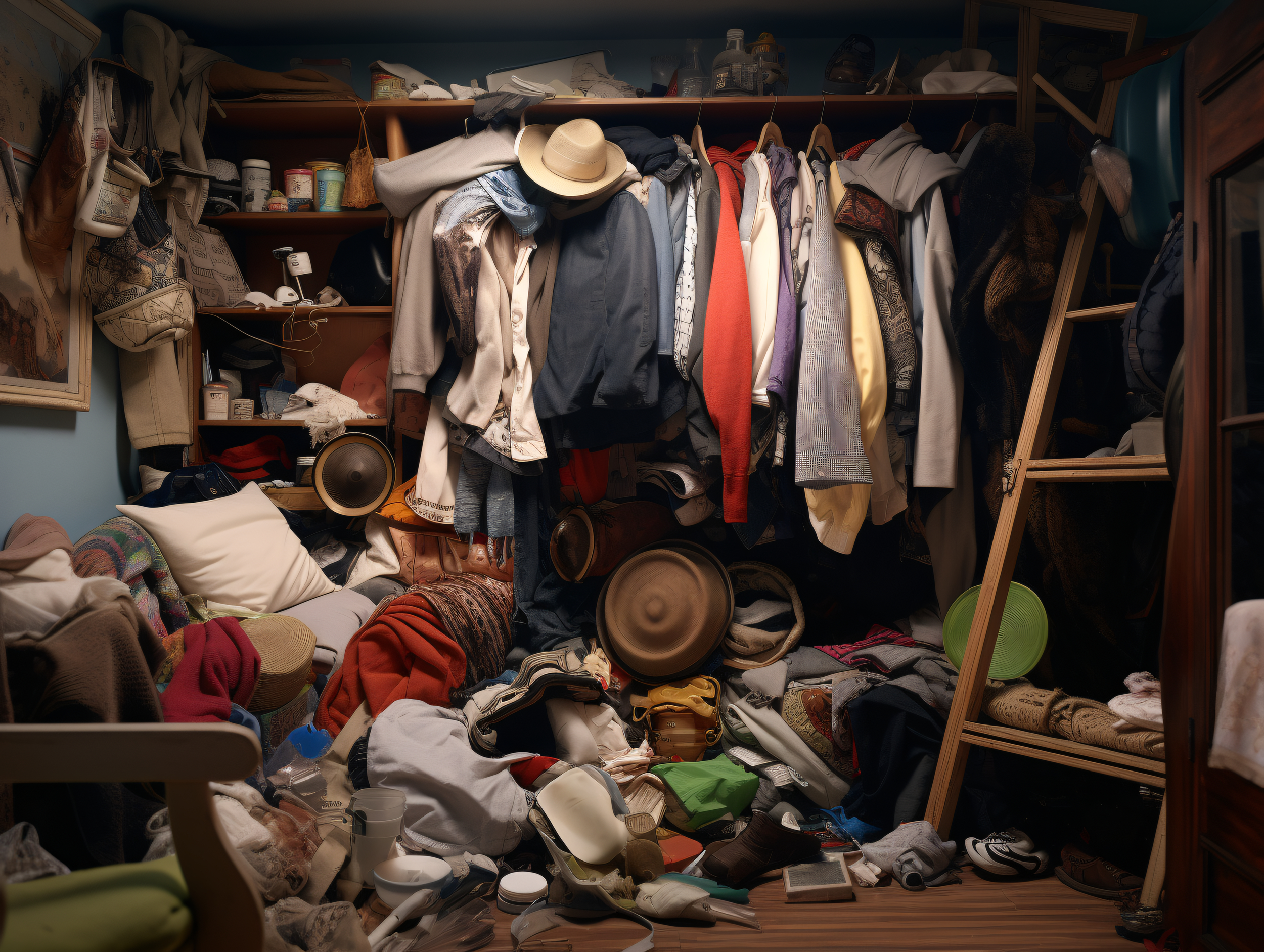
image by freepik
Why Junk Builds Up So Easily
It’s not about being messy or lazy. Clutter builds up for a bunch of totally normal reasons. People save things “just in case,” hang onto broken stuff thinking they’ll fix it later, or collect items with memories attached. Then there are things that just sneak in—junk mail, empty boxes, outdated tech, old toys, random gadgets. Most of it stays because no one really has the time to deal with it.
After a while, it adds up. That corner becomes a pile. That pile becomes a room. And then suddenly, everything feels too crowded to relax or focus.
Start Small (Seriously)
One of the biggest mistakes is trying to clear everything at once. That usually ends in frustration and zero progress. Instead, start with one drawer. Or just the top of one table. Pick a spot that’s small enough to finish in 10 to 15 minutes. That quick win builds momentum—and makes it easier to move on to the next space.
Don’t overthink what goes and what stays. If something hasn’t been used in a year, it probably won’t be missed. Broken items that haven’t been fixed yet probably never will be. The goal isn’t to be perfect. It’s just to create space again.
Know When to Call for Help
Sometimes a clean-out needs more than just a couple of trash bags. Bigger jobs—like clearing out a garage, garden, or old furniture—can get messy fast. That’s when it makes sense to call in professionals. A good rubbish removal service can take care of the heavy lifting, hauling, and disposal without any hassle.
It’s way easier to stay motivated when there’s help for the big jobs. Services like All Types of Rubbish make it simple to get rid of everything at once—from garden waste to broken furniture—so nothing sits around for weeks waiting to be taken out.
But what if you don’t want rubbish removed but instead help to sell everything you no longer want? For larger clearouts you can find companies offering estate sales near me so they can help you list job lots so you can get help with selling without all of the stress.
When Tech Turns Into Trash
Old phones, tangled cords, dead laptops, and random chargers are some of the fastest clutter creators and some of the easiest to ignore. Instead of letting outdated gadgets pile up in drawers, it’s worth handing them over to electronic waste professionals who know how to dispose of them safely. They can recycle parts, prevent harmful materials from ending up in landfills, and clear out space you didn’t even realize you’d lost. A quick tech clean-out can make a big difference. However, it’s also fair to keep some items if you think they have value. You might be able to trade an old phone in to get a discount on a brand new one for example, or even fix an item you meant to repair or fix up for yourself, such as with an Apple Watch leather band. Throwing out is fine, but be sure not to waste if you can help it.
Don’t Just Move Clutter Around
One of the biggest traps in cleaning is just shifting clutter from one room to another. A bunch of stuff gets bagged up and then dumped in the garage “for now.” Spoiler: it stays there for months.
To really clear things out, things need to leave the house—not just hide in another spot. That means throwing out actual trash, donating things in good shape, and recycling whatever can be reused. It doesn’t have to be perfect, just consistent.
What to Do With Things You’re “Not Sure About”
Everyone has a few items that feel tricky to let go of. Maybe it’s a gift, or something expensive, or something tied to a memory. These are the things that slow everything down.
Here’s a simple tip: create a “maybe” box. Fill it with anything you’re unsure about and store it somewhere out of the way—like the top of a closet or a cupboard. Set a reminder for three months. If you don’t take anything out in that time, it’s probably safe to let it go.
This helps make quick decisions without feeling guilty. Plus, it gets those “maybe” items out of the way so the room can actually feel clean.
Make It a Habit, Not a Huge Deal
Getting rid of rubbish shouldn’t be a once-a-year disaster clean. It works best when it’s just part of life. Spend 10 minutes every few days tossing things that don’t belong. If something breaks, decide quickly whether it’s worth fixing. If not, throw it out or recycle it.
Little changes like this keep things from piling up again. It’s way easier to stay on top of things than to do another massive clean later.
Clutter Isn’t Just Annoying—It Messes With Your Head
It’s not just about having a clean-looking space. When there’s too much mess around, it gets harder to focus, think clearly, or even feel relaxed at home. Clutter creates stress, even if it’s just in the background. Some people even feel tired more often when surrounded by too much stuff.
That’s why clearing out rubbish can feel so good. It’s not just about the room—it’s about the way the room makes you feel. Clean space = clear mind.
What to Watch Out For (So It Doesn’t Come Back)
Even after a big clean-out, rubbish can sneak back in if no one’s paying attention. A few simple rules help stop that from happening:
If something comes in, something else goes out.
Don’t keep packaging “just in case.”
Only buy things that actually have a use or space.
Deal with junk mail right away.
Keeping clutter out is easier than dealing with it once it’s taken over.
Final Thoughts
Getting rid of too much stuff doesn’t have to be stressful, dramatic, or overwhelming. It just takes starting small, being consistent, and getting help when needed. Once the junk is gone, it’s easier to breathe, think, and enjoy the space you're in. And the best part? You don’t have to do it all in one day. Just take the first step—and then the next one.
If it feels like too much to handle, that’s okay. The important part is to start somewhere and keep going.