
We all have that moment when we start a building or renovation project. You walk into a store or browse online and suddenly you’re looking at two versions of the same thing. One is cheaper, sometimes a lot cheaper and the other one feels like it’s just too expensive. And you think, “How different can they really be?”
It’s a fair question. Materials look similar on the surface. Steel is steel. Wood is wood. Tiles are tiles. Or at least that’s what you assume until you’ve lived through a renovation that went sideways because something cracked or warped or rusted or didn’t hold up the way you imagined.
That’s when you learn, sometimes painfully, that cheap and high-quality are not twins. Not even cousins. They might not even know each other.
Let’s talk about those hidden differences, the ones people don’t always notice until they matter.
Quality Has a Weight You Can Literally Feel
This sounds weird but good materials feel different in your hands. They’re solid. Balanced. You pick up a piece of cheap steel or flimsy wood and there’s this sense that something is missing, density, strength, the quiet confidence that comes from durability.
Sometimes high-quality building products feel heavier, sometimes smoother, sometimes more “finished” even if you can’t quite explain why. And you don’t always realize this until you compare them side by side. It’s like holding a toy tool versus a real one.
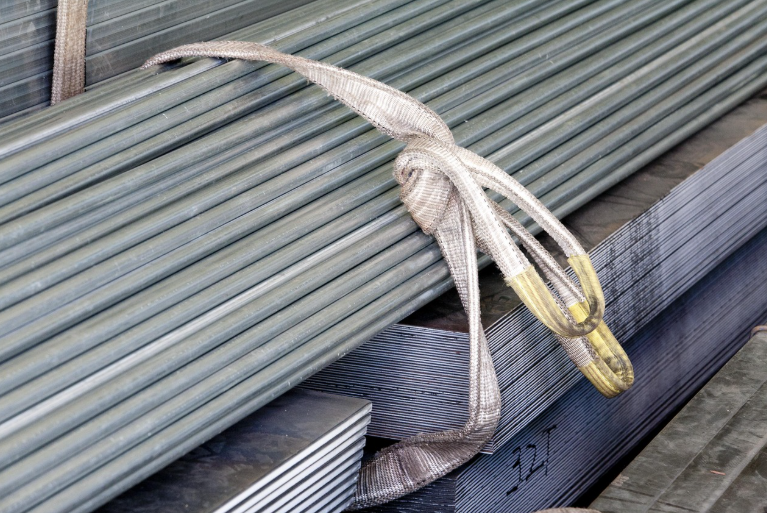
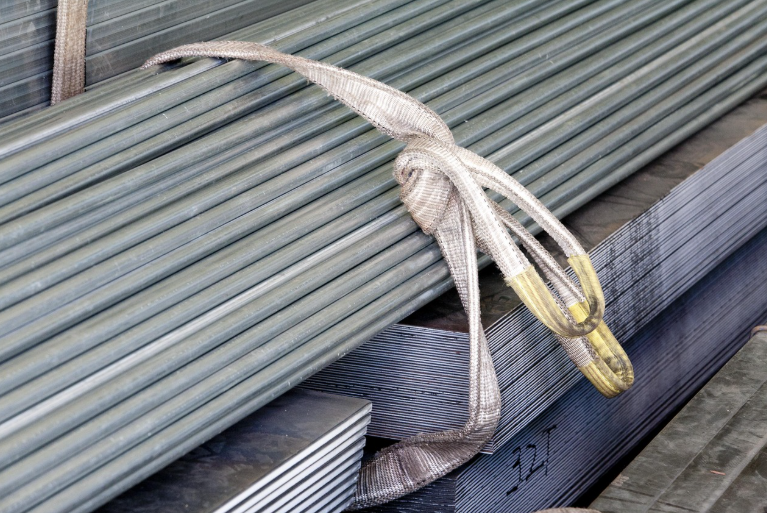
Companies that specialize in stronger, longer-lasting materials; like Mscsteel, which is known for producing structures that actually hold up over time, understand this physical difference better than anyone. Cheap steel bends. Good steel stays true.
The Difference Shows Up Months Later, Not on Day One
Cheap materials look fine the moment you buy them. They install easily, seem functional, maybe even save you a bit of money upfront. But then a few months pass. Maybe a season changes. Suddenly things start to shift.
Tiles loosen. Panels swell. Bolts corrode faster than expected. A structure that once felt solid now creaks or leans or needs constant little fixes that weren’t part of the plan.
Meanwhile high-quality materials age differently. They settle into place. They don’t panic at the first sign of moisture or heat or weight. They just do the job they were meant to do.It’s like the difference between a fast-fashion shirt and a well-made one. At first glance they’re both shirts. Then life happens and only one survives.
Cheap Materials Create Hidden Costs That Add Up
The irony of choosing “budget” materials is that the real cost doesn’t show up in your receipt. It shows up in repairs. In do-overs. In hiring someone to fix something that shouldn’t have failed this early.
Poor quality steel rusts sooner, which means repainting, sanding or replacing. Low grade wood warps, causing misalignment in places you don’t even think to check. Bargain cement chips. Screws snap. You end up spending more time and money than you ever intended.
Meanwhile quality materials feel expensive upfront because the price is honest. It reflects longevity. Strength. Less hassle later. It’s the difference between buying something once and buying it three times before admitting defeat.
You Can Hear Quality Too, in Strange Ways
Anyone who has done real construction knows this. Sound reveals truth. Good steel gives a clean solid ring. Poor steel sounds dull or hollow like it’s tired before the work even begins. Good wood thumps firmly. Cheap wood clacks.
It’s a small detail but building is made of small details. All those tiny “insignificant” differences grow together into something either stable or unpredictable.
Professionals Always Spot the Difference Immediately
Builders and contractors have a sixth sense for quality because they see the long-term impact up close. They know which screws hold, which beams stay straight, which brackets survive weather changes and which ones cause headaches later.
If you’ve ever watched a contractor pick up a material and shake their head, that’s why. They’re calculating the future, what will last and what won’t. The best builders use quality supplies not because they’re snobs but because they’ve lived through enough cheap-fails to know the consequences.
Trust experience. It’s trying to save you money and sanity.
High-Quality Materials Aren’t Just Stronger; They’re Safer
This doesn’t always get said out loud but it’s important. Cheap materials can compromise safety. A weak beam, a rusted bracket or steel that bends under pressure isn’t just “low quality”. It’s a risk.
Buildings even small projects rely on tiny pieces to work together. When one fails the others carry extra strain. And eventually something gives.Quality materials protect your home, your workspace, your investment and the people inside it. Strength isn’t just a feature; it’s safety.
Conclusion
The difference between cheap and high quality building materials isn’t just the price or the look. It’s how they live with you over time. How they react to weather, stress, daily use and the wear and tear of being part of a living space.
Cheap materials give you a quick win and a future problem. Quality materials give you a long term solution.
And in the world of building; where things are meant to last, to support, to stay strong, it’s worth choosing the materials that don’t break under pressure.