
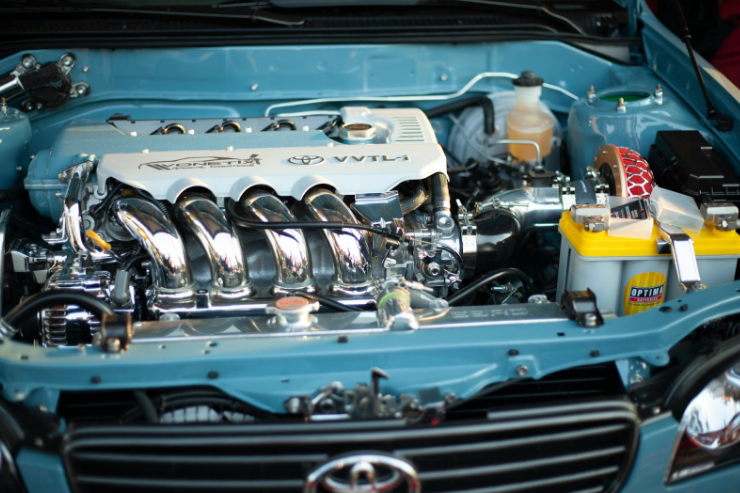
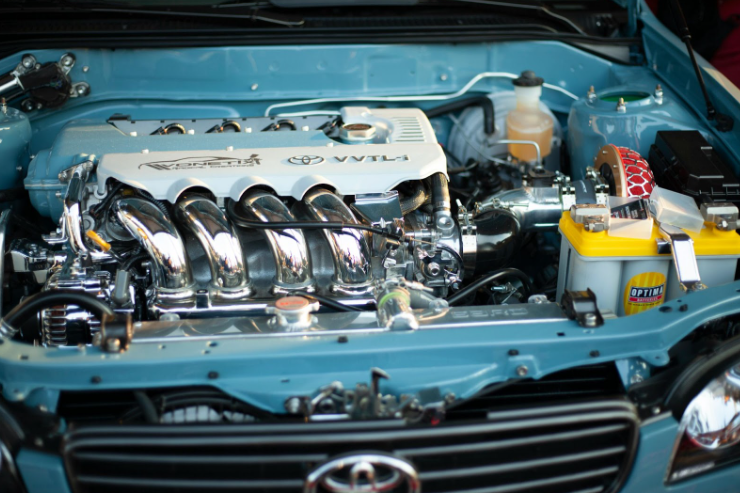
Ever gotten into your car and it's taken a little bit longer to start when it's a bit colder than usual? You're not alone, and it's not that your car isn't a “cold morning person” like many humans are. It's that something has been slowly deteriorating, and the result, when you add cold weather into the mix, is a car that feels sluggish to get going.
If this feels familiar, let's take a look at exactly what could be going on.
Battery Capacity Dropping
This is something that is really common for older batteries. They rely on chemical reactions, and cold slows these reactions. A battery that's already past its best will be weakened even further in cold weather and can effectively lose enough power overnight to stop it working altogether.
That's why you notice starting issues in winter. The battery hasn't “died overnight”; it's just more obvious in the winter, that's all. It shifted from “barely coping” to “not today, thank you”.
If the battery is over 3 years old, it's already compromised, and if you need a new car battery, you need one sooner rather than later.
Short Journeys Don’t Charge the Battery
Yes, the battery does charge when you drive it. But if you only ever make short trips, chances are you're not driving for long enough to give it a good charge. And the truth is, those quick trips to the store don't give the alternator what it needs to replenish what was used.
This is one of the common reasons for battery failure, especially in cars used primarily for occasional shopping trips, school runs, or those that are parked for prolonged periods. And in cold weather, this issue becomes more apparent.
Thickened Oil
In cold weather, oil thickens. And thickened oil makes it harder for the engine to turn over. This then increases the load on the battery and starter motor. A healthy system can handle this; a marginal one won't.
Using the wrong oil grade can make this even worse, too. If the oil is too thick for the engine or inappropriate for colder environments, you are just creating extra resistance during startup. And this can be the difference between starting and failing.
Corroded or Loose Battery Connections
Poor connections cause voltage loss. And voltage loss causes starting problems.
Corrosion on battery terminals, loose clamps, or damaged cables restricts the current reaching the starter motor. The battery would be perfectly fine, but if the power can't get to where it needs to go, this is where you'll see problems.
Look at the connectors for white powder, green crust, or loose movement when you twist the cable. All signs the connection needs cleaning or tightening.
Weak Alternator Output
The alternator charges the battery when the engine is running. If the alternator output is low, then the battery will slowly die even when you're driving.
Common warning signs this is going on include warning lights on the dashboard, electrical systems behaving inconsistently, or the battery repeatedly going flat despite being replaced. It's not that the cold weather is causing the issues here, more like it's exposing them quickly.