
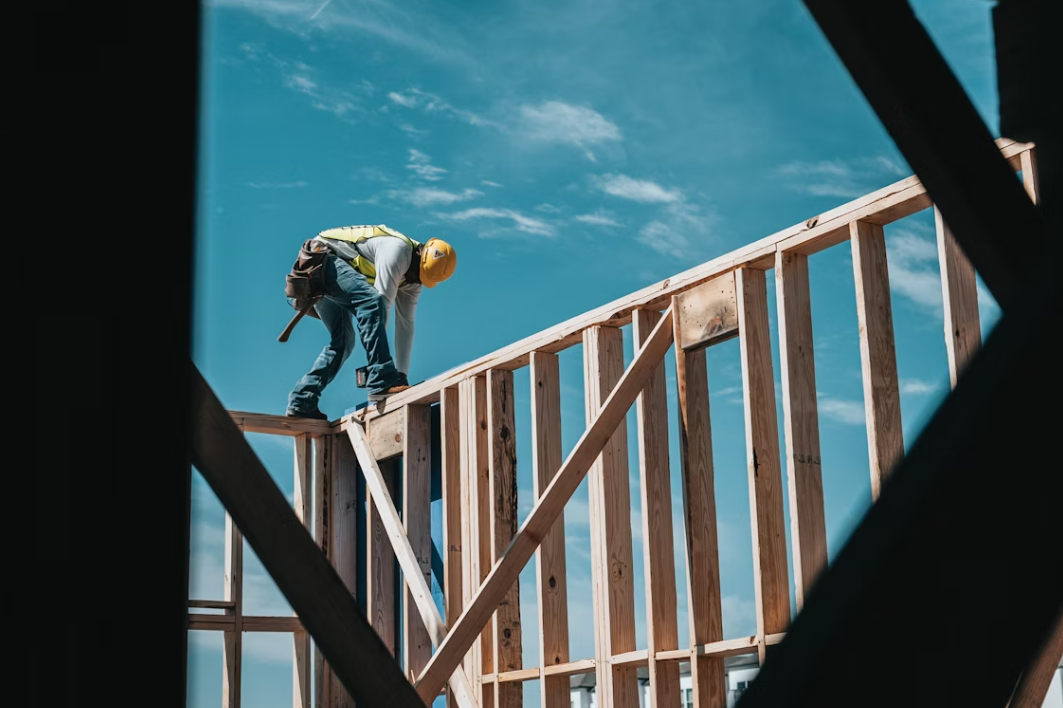
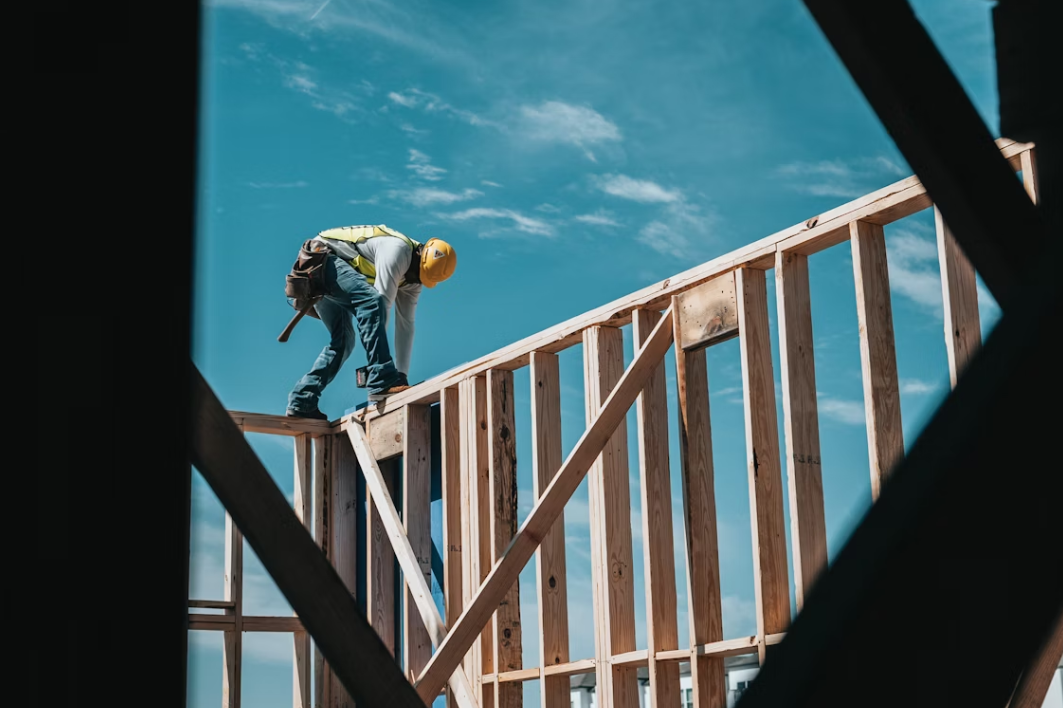
The construction industry thrives on precision, productivity, and above all, safety. Whether it’s a high-rise skyscraper, a residential neighborhood, or an infrastructure project, the right equipment ensures that projects are completed on time, within budget, and with minimal risk to workers. Choosing the proper tools and machinery is not only a matter of efficiency—it is also an essential step toward creating a safe and reliable job site.
This article explores the essentials of construction equipment, focusing on the machines and tools that maximize efficiency while safeguarding workers and the work environment.
Josh Olalde
The Role of Heavy Machinery in Construction
At the heart of construction efficiency are heavy machines. These large-scale tools handle tasks that are otherwise impossible, from moving tons of earth to lifting heavy materials to towering heights. Some key categories include:
Excavators
Excavators are versatile machines used for digging, trenching, demolition, and lifting. Equipped with interchangeable attachments such as augers and hydraulic breakers, they reduce the need for multiple machines and increase adaptability on site.Loaders
Wheel loaders and skid-steer loaders are indispensable for moving materials such as gravel, soil, or debris. Their maneuverability makes them particularly useful in confined job sites. Additionally, proven forklift service ensures that material handling equipment, including forklifts, operates reliably and safely, reducing downtime and improving efficiency.Cranes
Lifting and placing heavy loads with precision requires cranes. Tower cranes dominate in high-rise construction, while mobile cranes offer flexibility in smaller or temporary worksites.Bulldozers and Graders
For preparing a site, these machines are essential. Bulldozers push large amounts of soil or rubble, while graders smooth surfaces, creating the foundation for roads, buildings, and landscapes.
Heavy machinery improves efficiency, but it also introduces significant hazards. Operator training, equipment inspections, and adherence to safety standards are vital to ensure these powerful tools work for, not against, the crew.
Hand Tools and Power Tools: The Foundation of Daily Tasks
While large machinery garners attention, hand tools and power tools remain the backbone of construction. They support tasks that require precision and craftsmanship.
Hand Tools
Hammers, screwdrivers, wrenches, pliers, and measuring tapes are universal. Even in an era of advanced machinery, these simple tools remain indispensable for tasks like framing, fastening, and measuring.Power Tools
Tools such as drills, saws, grinders, and nail guns significantly speed up construction work while ensuring accuracy. Battery-powered options enhance mobility and reduce downtime caused by cords or generators.
The safety of smaller tools often comes down to maintenance and correct use. Dull blades, damaged handles, or improper storage can cause avoidable injuries. Regular inspection and proper training ensure they remain efficient and safe.
Personal Protective Equipment (PPE): The Human Shield
Efficiency loses its meaning if safety is neglected. Personal protective equipment (PPE) acts as the first line of defense against hazards on site. Essential PPE includes:
Hard hats to prevent head injuries from falling objects.
High-visibility vests to make workers noticeable in busy environments.
Steel-toe boots to protect feet from heavy objects or punctures.
Gloves for grip, abrasion resistance, and chemical protection.
Safety goggles and face shields to guard against dust, sparks, or flying debris.
Hearing protection such as earplugs or earmuffs, especially near loud machinery.
Incorporating PPE into daily routines not only reduces accidents but also fosters a culture of accountability and care within construction teams.
Technology and Innovation in Modern Equipment
Technology continues to transform construction equipment, making it safer and more efficient. Some innovations include:
Telematics systems that monitor equipment performance and usage, preventing breakdowns and ensuring optimal operation.
Drones for surveying, progress tracking, and safety inspections, minimizing the need for workers to enter risky environments.
Augmented reality (AR) and Building Information Modeling (BIM) to visualize projects before ground is even broken.
Electric and hybrid machinery that reduce emissions and noise pollution, aligning construction with environmental sustainability goals.
These tools enhance not only efficiency but also overall site safety, as data-driven insights help managers anticipate risks and optimize workflows.
Best Practices for Balancing Efficiency and Safety
Having the right equipment is only part of the equation. How it is used determines whether it adds value or poses risk. Key practices include:
Comprehensive Training – Every operator and worker must be trained in both the operation of tools and safety protocols.
Routine Maintenance – Regular checks and servicing prevent accidents caused by equipment failure.
Clear Communication – Radios, hand signals, and digital platforms ensure smooth coordination between crews.
Site-Specific Planning – Different job sites present unique challenges; matching equipment to environment reduces inefficiencies and hazards.
Safety Culture – Encouraging workers to report hazards and prioritize safety builds trust and reduces incidents.
Construction equipment—ranging from massive excavators to simple hand tools—forms the backbone of every building project. When chosen wisely and used responsibly, these tools accelerate timelines, reduce costs, and most importantly, protect the workforce. As technology continues to evolve, the integration of advanced systems with traditional tools promises a safer, more efficient future for the construction industry.
Efficiency and safety are not opposing goals; they are complementary. The right equipment, combined with proper training and planning, ensures that construction projects not only rise higher and faster but also stand as lasting testaments to human ingenuity and care.