
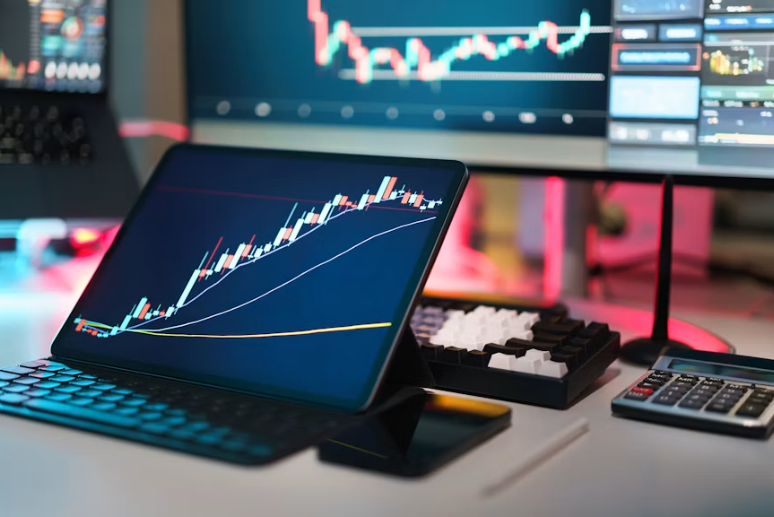
Image Credit: Unsplash
Artificial intelligence isn't just a futuristic idea in finance anymore; it's the driving force behind modern trading innovation. The days when trading floors were solely ruled by human intuition and frantic hand signals are fading. Today, the new frontier belongs to financial innovators who can use data and smart systems to analyze markets, predict trends, and execute strategies at speeds and scales that were once impossible. This shift fundamentally changes how financial markets work, opening up new chances for those ready to adapt.
From Algorithms to AI
Using technology in trading isn't new. For decades, algorithmic trading has relied on computers to execute orders based on pre-set rules, like time, price, and volume. This concept is now evolving with AI in fintech. While these systems are fast and efficient, they are also rigid. They can only do exactly what they're programmed to do and can't adjust to new market conditions or information outside their programmed logic.
Artificial intelligence takes this much further. Instead of just following rules, AI systems can learn from data, spot complex patterns, and make predictions. This evolution of AI in finance is a big step from simple automation to genuine intelligence. Machine learning models, a part of AI, can sift through historical market data, news articles, and economic reports to find connections and build predictive models that constantly improve as new data comes in.
AI's Role in Market Analysis
AI's real strength in trading comes from its ability to analyze huge and varied datasets, something far beyond human capability. This gives traders and firms a deeper, more detailed understanding of market dynamics. At its core, AI in the financial sector involves systems that can understand, reason, and learn from data to help make and automate decisions.
Key applications include:
Predictive Analytics: Machine learning models can forecast price movements and market volatility with growing accuracy by identifying subtle patterns before market shifts.
Sentiment Analysis: AI can quickly scan millions of social media posts, news headlines, and company filings to gauge how the market feels about a specific asset or the market as a whole. This adds an invaluable layer of qualitative data.
Anomaly Detection: AI is excellent at finding unusual trading patterns or market behaviors that might signal either a hidden opportunity or an emerging risk, such as fraud or the start of a flash crash.
Building a Tech-Forward Trading Business
The power of AI in trading has inspired many skilled individuals to move past personal trading accounts and build something bigger. For successful traders, creating a business that uses proprietary technology and capital is a natural next step. However, this move requires more than just a profitable algorithm. It means setting up a formal business structure, securing technology infrastructure, and navigating a complex regulatory landscape.
This involves more than just having a good strategy; it demands a solid business plan, the right technology, and an understanding of regulations. For those serious about this path, learning how to start a prop firm is the crucial first step to turning an algorithmic edge into a sustainable business. Building a tech-focused firm means investing in the servers, data feeds, and development talent needed to create and keep a competitive advantage in an AI-driven market.
Ethical AI in Finance
The fast integration of AI into finance comes with its own challenges and ethical considerations. One main concern is the "black box" problem, where complex AI models make decisions that even their creators can't fully explain. This lack of transparency can make it hard to find and fix biases or errors in the system.
For example, an algorithm trained on biased historical data could continue or even worsen existing market inequalities. Regulators are increasingly focusing on making sure firms using AI have clear governance frameworks to manage these risks. The goal is to encourage innovation while keeping market integrity and protecting investors. This requires a commitment to building AI systems that are explainable, fair, and robust.
Future Trends in Algorithmic Trading
The evolution of AI in trading is far from complete. The next wave of innovation is already appearing, promising even more advanced capabilities. Deep reinforcement learning, a technique where an AI agent learns by interacting with a simulated environment and getting rewards or penalties, shows promise for developing highly adaptive trading strategies.
Looking further ahead, quantum computing could revolutionize financial modeling. Quantum computers have the potential to solve complex optimization problems that are currently impossible for even the most powerful supercomputers. This could unlock new ways to manage risk and optimize portfolios. As these technologies mature and become more accessible, they will continue to reshape the competitive landscape of the financial industry.
Ultimately, the future of trading will be defined by how human expertise and machine intelligence work together. The most successful innovators will be those who understand not just how to build AI, but how to work with it to make smarter, faster, and more informed decisions.